A recent ruling from federal appeals court Judge John Z. Lee is sending shockwaves through the public. The ruling, based on precedent, affords First Amendment protections to possession of child sex abuse material (CSAM) if it is virtually created through tools like artificial intelligence (AI) and does not depict direct harm to an actual child.
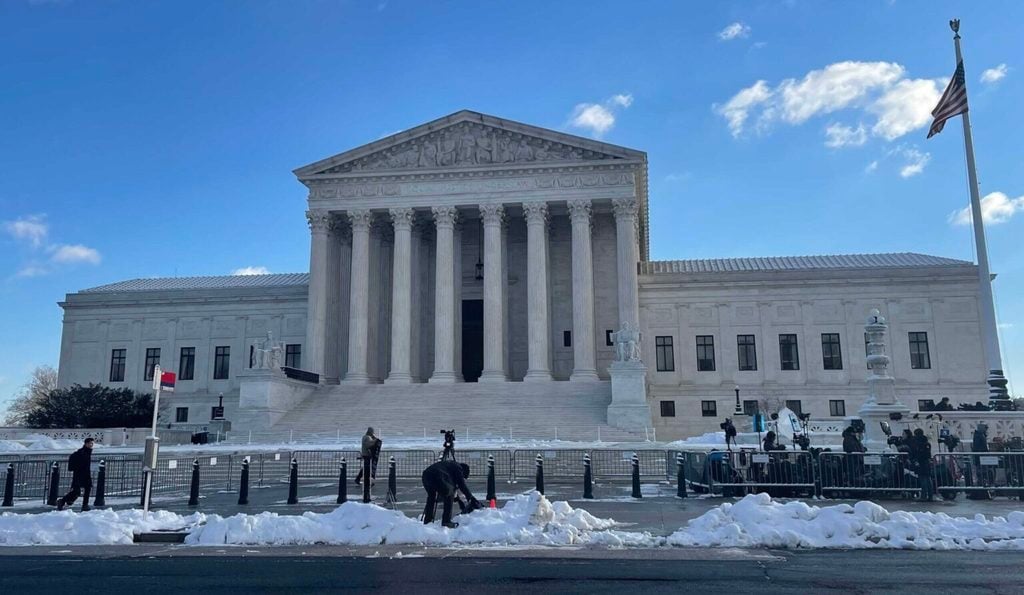
The judge, however, is asking the Supreme Court to review the previous precedent that seemingly forced him to arrive at the ruling.
In his request, the judge wrote, “Given the relentless advancement in artificial intelligence models, we have some concerns about the lines these cases draw, but we are not free to redraw them ourselves.”
The case surrounds Steven Anderegg of Holmen, Wisconsin who used an AI tool to generate sexually explicit images of children. He was charged with possession, production, and distribution of these images.
The charges of production and distribution are still pending – and likely do constitute a violation of the law – but the ruling from Lee dismissed the possession charge. US Supreme Court rulings from 1969 and 2002 led him to this decision.
The 1969 case Stanley v. Georgia concluded that United States citizens can possess obscene material in the privacy of their own home.
The 2002 case Ashcroft v. Free Speech Coalition concluded that virtually-created CSAM that does not depict a real child is not child pornography.
Child advocates are hopeful that the Supreme Court will take up the case, especially considering the rapid proliferation of AI tools.
In 2025, the National Center for Missing and Exploited Children reported that the number of AI-generated CSAM skyrocketed from 4,700 in 2023 to over 400,000 in just the first half of 2025.
The FBI recently warned that predators are using AI to manipulate real images of children, often innocently posted by their parents on social media, to create sexually explicit scenes.
Save and Share This Catholic Patriotic Minute!