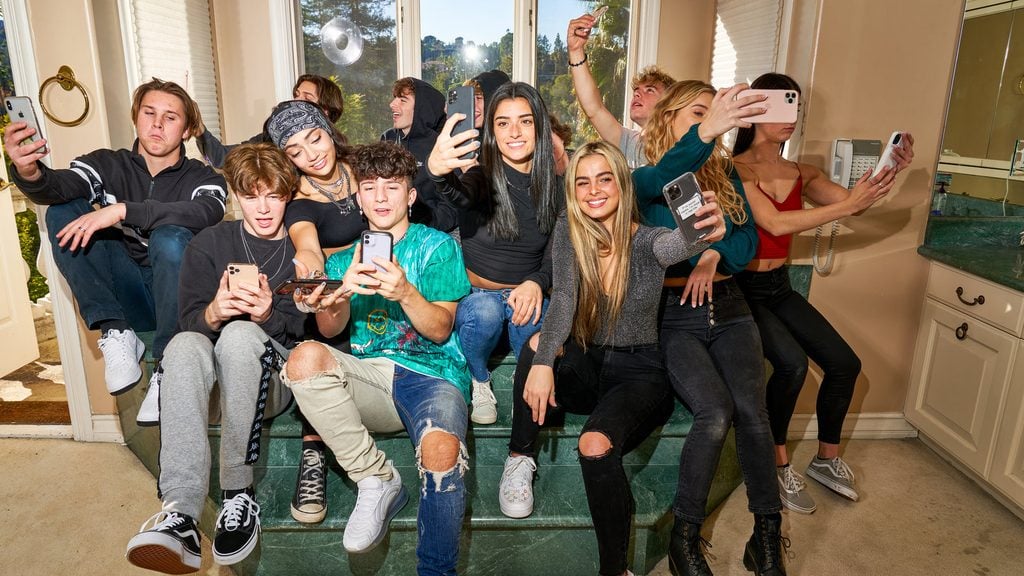
Their videos have proliferated on social media, but the payments are frequently hidden from viewers, according to a story by the New York Times.
By Catholics for Catholics
If you thought that influencers were completely independent regarding politics, well, think again.
According to a story by the New York Times, many influencers receive compensation by politicians and candidates, both from the right and from the left, according to a recent investigative piece by the Times.
Take for example, Josh Greene, who according to the Times’ story is a rising left-wing social media star with his own podcast, nearly 800,000 followers and access to politicians like Senator Bernie Sanders of Vermont and Mayor Zohran Mamdani of New York.
Greene, according to the Times, is definitely an influencer with power. He also has received cash from political leaders.
“But records show that Mr. Greene, 26, has received money from at least seven politicians, or outside groups supporting them, in the current campaign cycle, including several congressional candidates in New York and a super PAC linked to Dr. Abdul El-Sayed, the Senate nominee in Michigan. Tom Steyer, the former candidate for governor in California, paid him $21,500,” according to the Times’ story.
PAID SUPPORT 🚨 Democrat donor group spent millions on over 550 different creators to support Democrats
— Wall Street Apes (@WallStreetApes) August 30, 2026
Investigation finds social media influences are being paid to support political candidates and many are not disclosing their paid posts as ads
Liberal influencer Josh Greene… pic.twitter.com/9fcWuW6sW1
“Mr. Greene, who lives in Southern California and is best known by his handle @joshtheprogressive, is among a growing number of influencers who, at a moment when campaigns are increasingly willing to pay for online attention, appear willing to put their mouth where the money is.”
With more and more people getting their news from their phones, influencers are seen as key to getting the message across from candidates and politicians, according to the Times’ story. In addition, they are also far less expensive than traditional advertising.
However, unlike campaign mailers, billboards and television spots, these messages fall into a legal gray area.
“There are no federal regulations requiring disclosure of payments for political support on social media, and only a few states have such rules. That allows influencers, in most instances, to endorse candidates for a fee without ever disclosing those payments in their posts. Creators say some campaigns have even asked them to actively conceal the fact that they’re being compensated, making it impossible to know what’s genuine support — and what is pay-for-play.”
Save and Share This Catholic Patriotic Minute!