Christian leaders denounce killings, kidnappings and impunity as Washington increases pressure on Abuja and the Nigerian government rejects claims of a campaign of religious extermination.
By Javier Villamor
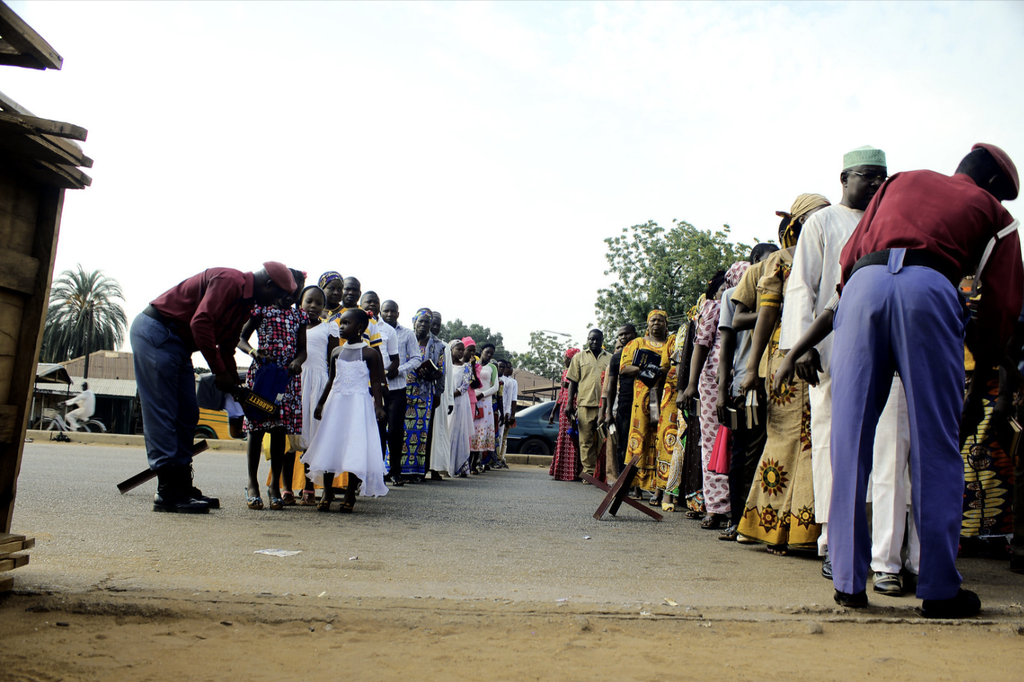
Violence against Christian communities in Nigeria is no longer merely an internal security issue. It has become a major diplomatic problem.
Killings, kidnappings, attacks on churches and forced displacement are particularly frequent in the north and in the so-called Middle Belt, a broad central region where religious, ethnic and territorial tensions converge. Those responsible range from Boko Haram and the Islamic State West Africa Province (ISWAP) to criminal gangs and armed militias.
The U.S. Commission on International Religious Freedom (USCIRF) has taken one of the toughest positions on the conduct of the authorities. In its 2026 report, it described religious freedom conditions as “abysmal” and accused federal and state governments of tolerating violence by non-state actors, responding ineffectively or failing to ensure investigations and justice.
Yet USCIRF itself also stresses the complexity of the situation.
Armed groups attack Christians, but Muslims and followers of traditional religions are also targeted. The violence, although directed primarily against Christians, is widespread. In May, the commission specifically noted that militants of Fulani origin had carried out some of the most serious attacks against religious communities, “often, but not exclusively,” against Christians.
This conflict, with a clear religious dimension, is one of the reasons Nigeria has come under increasing Western scrutiny.
The Christian Association of Nigeria (CAN) says numerous Christian communities have suffered a prolonged combination of killings, destruction of places of worship and lack of justice. Its president, Archbishop Daniel Okoh, has denounced the fact that requests for protection are too often delayed or rejected.
Within the organisation itself, there are differences over whether the violence should be described as genocide. National officials have urged caution, while CAN leaders in the northern states openly use the term. As in other conflicts, including Israel and Palestine, the concept of genocide is handled cautiously in order to avoid diplomatic repercussions.
Meanwhile, Catholic bishops have focused on another issue: state responsibility. They are demanding effective protection for vulnerable communities, investigations into possible delays in the response of the security forces, the rescue of kidnapped civilians and conditions that would allow displaced people to return home. At the same time, the bishops have also condemned attacks against Muslims and have avoided portraying all violence in Nigeria as a straightforward war between the two religions.
The Church is currently the only voice in Nigeria calling for justice for everyone while remaining capable of engaging with the government on equal terms.
It is precisely the government of President Bola Tinubu that categorically rejects accusations of official persecution. Information Minister Mohammed Idris has described allegations of a “Christian genocide” as false. The Foreign and Justice ministries maintain the same line: Nigeria is facing a crisis of terrorism and criminality that kills Muslims and Christians alike, and the state, they insist, is fighting those responsible.
Washington, however, does not consider that explanation sufficient.
The Trump administration once again designated Nigeria as a country of particular concern over religious freedom and demanded concrete measures to protect Christian communities. President Donald Trump went as far as threatening to cut aid and raised the possibility of military action against Islamist organisations.
The State Department has outlined some of the measures under consideration. These include sanctions, counterterrorism cooperation and other mechanisms intended to “incentivize and compel” Abuja to improve the protection of Christians. Reuters confirmed that the strategy combined diplomatic pressure with the possibility of greater Pentagon involvement.
Marco Rubio also announced visa restrictions against individuals responsible for directing, supporting or participating in serious violations of religious freedom.
The dispute, therefore, no longer revolves solely around a single word—although at times the entire debate appears to be pushed into a dead end over that very concept. The term “genocide” remains controversial and requires evidence of a specific intent to destroy, in whole or in part, a religious group.
What is far less disputed is that certain Christian communities have endured extreme violence for years, and that the Nigerian state still has not explained why so many attacks end without adequate protection, without perpetrators being convicted and without justice for the victims.
Save and Share This Catholic Patriotic Minute!