By Elizabeth Gresosky
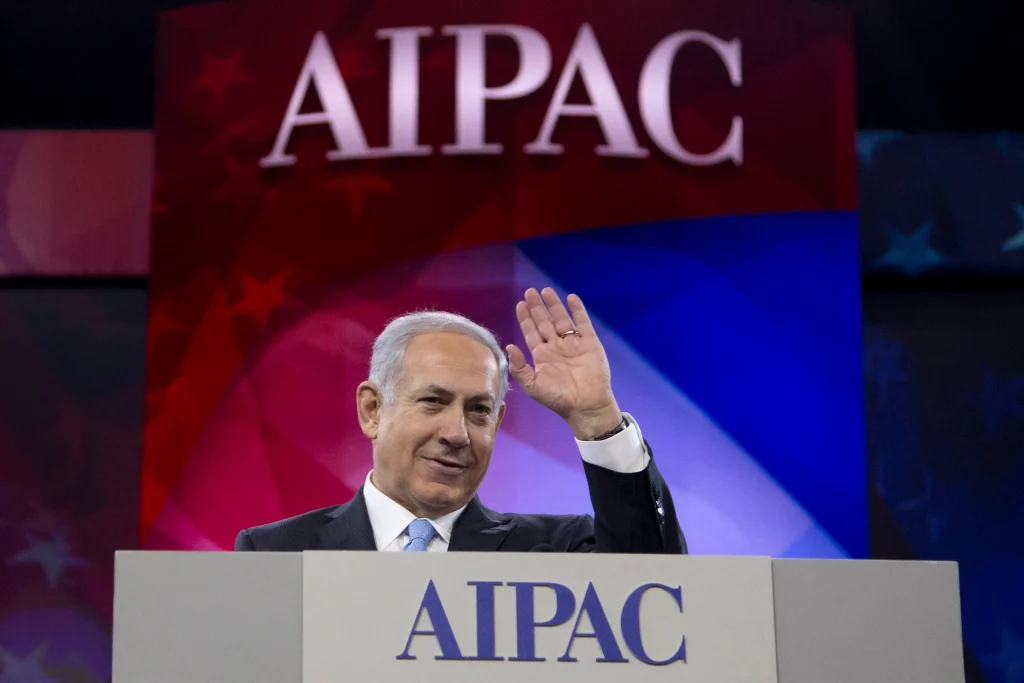
The American Israel Public Affairs Committee announced that it will no longer be endorsing political candidates or making campaign contributions through its political action committee (PAC) after the upcoming election on November 3.
The PAC distributed about $3 million to political candidates this election cycle.
Its super PAC, United Democracy Project, will remain in action, however. This super PAC raised more than $110 million for this election cycle according to Newsmax. The outlet also noted that AIPAC members individually gave over $90 million directly to candidates.
Given the vast network of approximately 6.5 million members across the country and party lines, AIPAC will likely still retain its influence.
Membership in AIPAC is tiered, with the lowest rank being the Washington Club that requires a $150 monthly or $1,800 annual donation, and scales up to the Minyan level, which requires a minimum of a $100,000 annual donation to “AIPAC, pro-Israel politics and affiliated entities,” according to the AIPAC website.
AIPAC has come under intense scrutiny since the most recent presidential election, with organizations like AIPAC Tracker, a database that allows users to search their political district “to see who is free from foreign lobby influence,” gaining popularity.
Critics of AIPAC doubt that the end of direct political endorsements or distributed campaign contributions will end – or even put a damper – on its influence over politicians in the United States.
But the announcement of the changes signals the growing fatigue from the American public of AIPAC’s political sway and an indication that AIPAC recognized a change in strategy was necessary.
AIPAC has become such a political liability that it’s shifting to a more “nimble” (read: secretive) approach to buying politicians for Israel Instead of high profile endorsements and PAC donations, it will quietly mobilize individual donors for direct contributions https://t.co/MzmvyoOPhX
— Max Blumenthal (@MaxBlumenthal) October 21, 2026
“AIPAC has become such a political liability that it’s shifting to a more ‘nimble’ (read: secretive) approach to buying politicians for Israel,” journalist Max Blumenthal, who happens to be Jewish, wrote.
“Instead of high profile endorsements and PAC donations, it will quietly mobilize individual donors for direct contributions.”
Michael T. Lester, a Marine Corp veteran and author who has been critical of American foreign policy and operations, echoed the same. “DON’T BE FOOLED. This is brand protection, not a change in strategy,” he stated, explaining that “The PAC was the small change. It could give a candidate $5,000. Their super PAC, United Democracy Project (UDP), keeps running. It has spent more than $83 million this cycle, including over $30 million in a single Michigan Senate primary.”
Lester continued, “A super PAC has no spending limit and doesn’t need the candidate’s permission. Its attack ads often never mention Israel. Voters see a hit piece on crime or taxes and never learn why it was paid for.”
“That’s the point. An AIPAC endorsement has become a liability now that people are seeing what it stands for. Now a candidate can say ‘AIPAC didn’t endorse me and didn’t give me a dime’ while UDP spends millions on their [sic] behalf.”
“It’s the same money, just with fewer fingerprints and harder to trace.”