The FORTRESS initiative envisions portable nuclear reactors, microgrids and strategic reserves of munitions and fuel.
By Catholics for Catholics
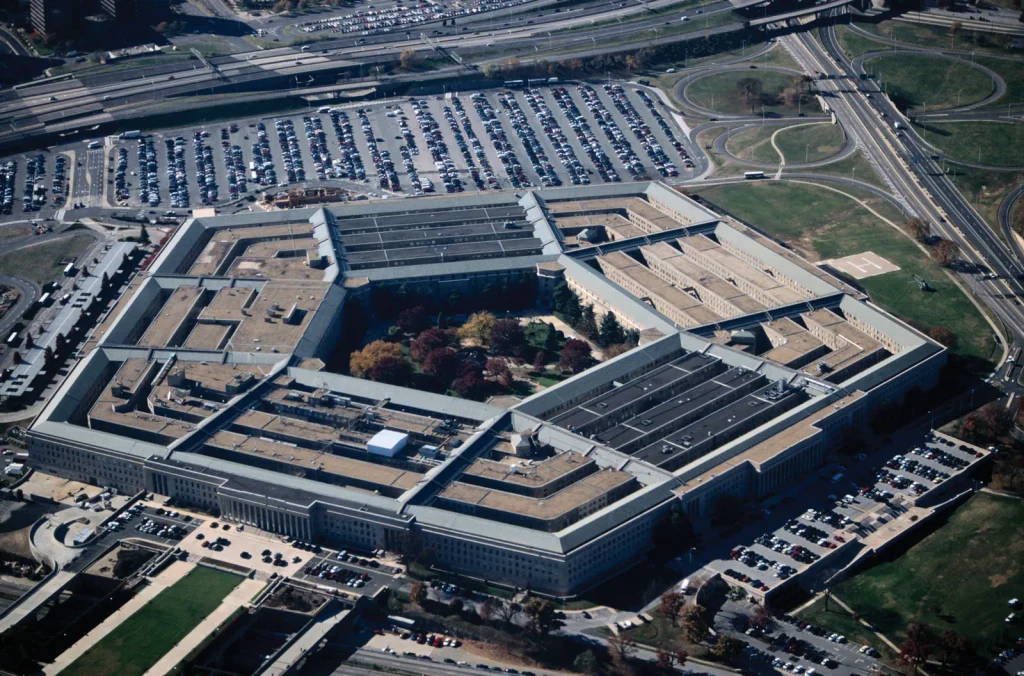
With things changing all the time with new technology, the Pentagon is not taking any chances as it prepares for a possible, impending doomsday war.
The high brass in the military is preparing U.S. bases to keep functioning for at least 90 days without outside support as it trains for the possibility of a foremost war that could destroy power grids, unsettle supply chains and menace key infrastructure on American soil.
The new prerequisite is part of FORTRESS, a more expansive military enterprise aimed at making sure that American forces can keep fighting even if the civilian systems they depend on are interrupted, according to documents reviewed by Fox News Digital.
“We don’t want to rely on standard civilian municipal infrastructure to run our national defense. We just simply can’t. It’s an intolerable risk,” Pentagon chief spokesperson Sean Parnell told Fox News Digital.
“Power is combat now. Without electricity, you lose communications, water, logistics, assembly lines and just basic military command structures,” Parnell, who led the FORTRESS initiative, said.
“Mission-critical power must be independent, hardened, and redundant,” Parnell said.
“The next conflict will likely be fought on multiple fronts. Look at the geopolitics behind any major war. When that happens, global supply chains will break,” Parnell said.
In addition, the Pentagon is also setting the foundation for civilian factories to shift to defense production during a crisis, while preparing other supply chains and strategic reserves to keep weapons, fuel and other essential materials flowing.
Every major military installation in the continental United States, under FORTRESS, would be expected to maintain essential operations independently for at least 90 days, including access to electricity, water, fuel and communications.
The obligation reflects a broader shift in how the Pentagon is getting ready for threats to the American homeland, including the possibility that a big conflict could disrupt the infrastructure supporting military operations inside the United States.