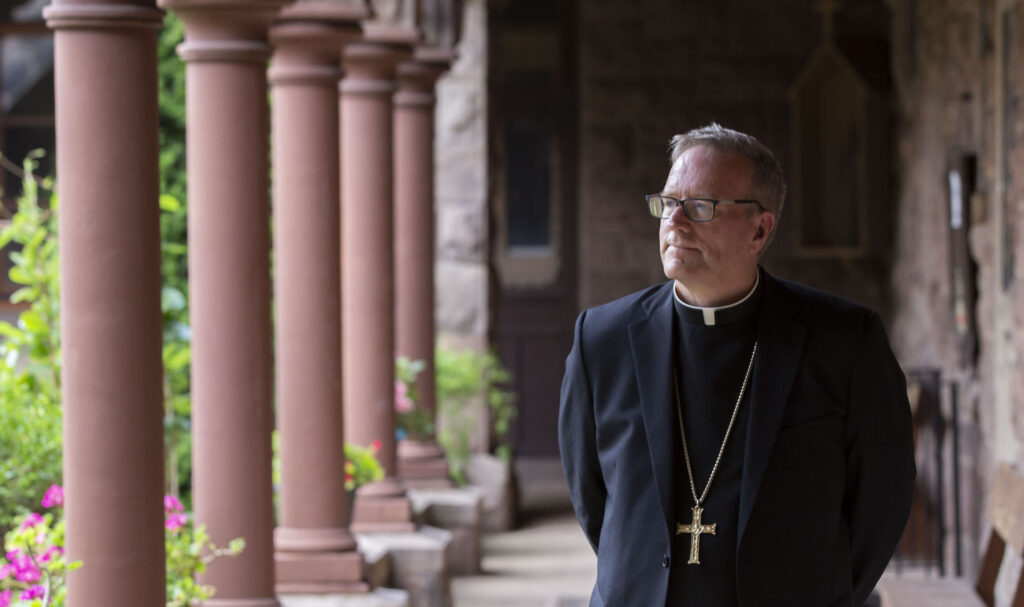
The bishop concludes by saying synods should “not be a defining and permanent feature of the Church’s life, lest we lose our verve and focus.”
By Catholics for Catholics
In a statement posted to X, Bishop Robert Barron took great care in urging caution with the use of synods going forward. Bishop Barron speaks with experience, as he was an elected delegate to both rounds of the Synod and Synodality in Rome and also presided over a local synod in his own diocese of Winona-Rochester in Minnesota.
“Synods are good and useful tools for the determination of practical pastoral strategies,” Bishop Barron writes, “but they oughtn’t to be forums for debate regarding doctrine.” He continues:
When settled teaching becomes a subject for synodal determination, the Church devolves into relativism and self-doubt—as is clearly evident in the misconceived ‘Synodal Way’ in Germany…The great Communio theologians said that councils are indeed sometimes necessary in the life of the Church but that one sighs with relief at the end of a council, for the Church can then return to its essential work. As long as it sits in council, the Church is in suspense, unsure of itself, wringing its hands. It was precisely the perpetuation of the spirit of Vatican II that led to so much vacillation and drift in the years when I was coming of age.
I understand that one of the topics under consideration at the Consistory of Cardinals is synodality. I’m speaking as a bishop who was an elected delegate to both rounds of the Synod and Synodality in Rome and who has just presided over a local synod in my own diocese. Synods are…
— Bishop Robert Barron (@BishopBarron) January 6, 2026
Dr. Taylor Marshall, well-known Catholic commentator and author, expressed appreciation that His Excellency weighed to “show concern on how synodality is being used and abused in the Catholic Church in 2026.”
“I think it shows that there’s a general fatigue amongst conservative Catholics, conservative bishops, for this prolonged synodality,” Dr. Marshall said. He further applauded Bishop Barron’s soft criticism of Vatican II. From his perspective, much of the Baby Boomer generation still loves the “spirit” of Vatican II, which prompted more opportunities for laypeople to become involved in the liturgy and encouraged things like churches in the round, but that younger Catholics are generally tired of this notion.
“I think Bishop Barron issuing a caution like this is sort of a sign of that,” Dr. Marshall remarked.
"Bishop Barron Gives Warning Against Synodality"
— Dr Taylor Marshall™️ (@TaylorRMarshall) January 8, 2026
Dr Taylor Marshall Podcast pic.twitter.com/ahM25ZSLzN
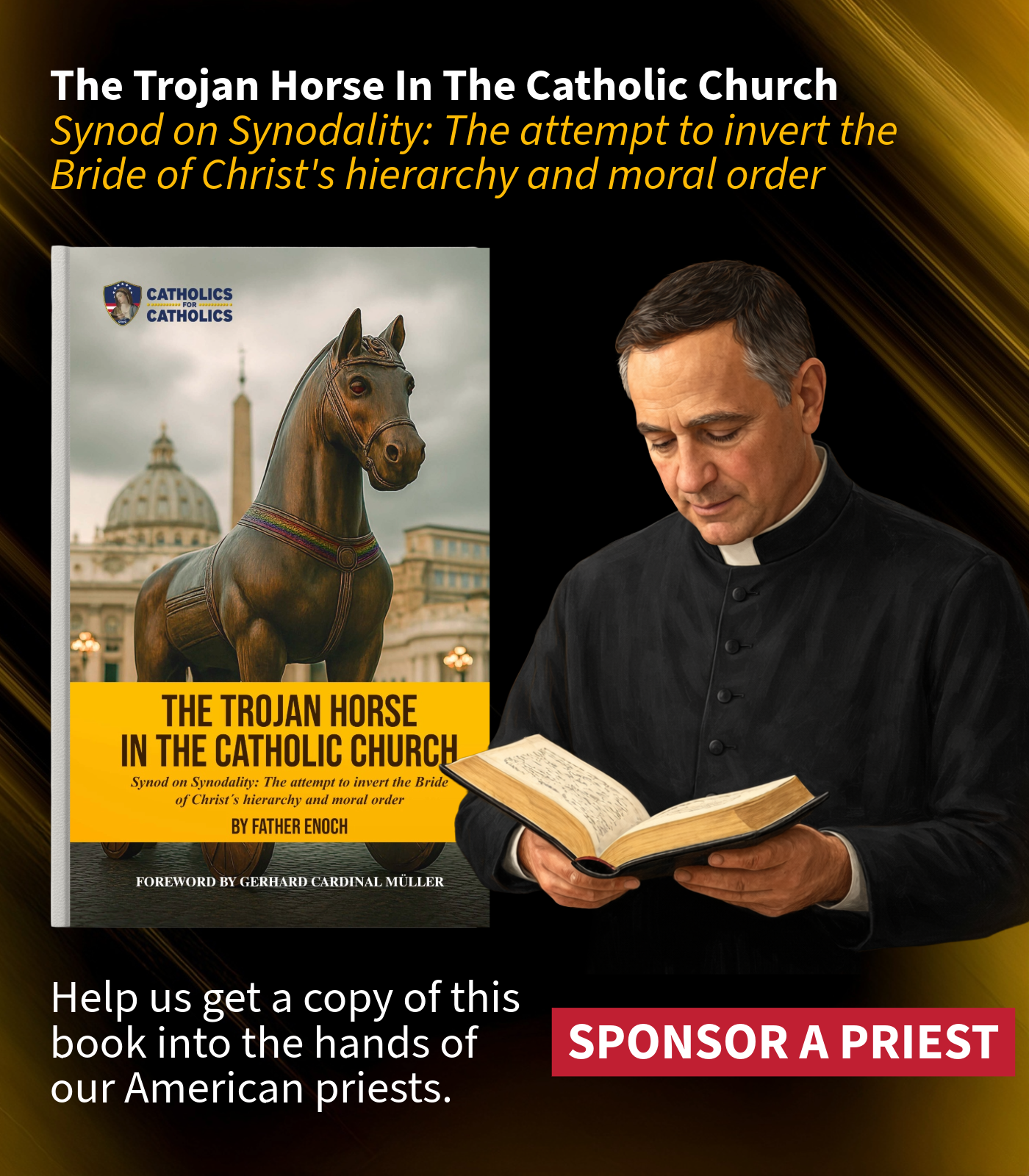
Catholics For Catholics recently published the book “The Trojan Horse in the Catholic Church,” written by a priest-author operating under the pseudonym of Fr. Enoch, because he understands the risk of facing repercussions for criticizing modernism and heresy in the Church today.
Cardinal Gerhard Müller, who wrote the foreword to “Trojan Horse,” sharply criticized the most recent synod, saying it was “used as a means to undermine the hierarchical-sacramental structure of the Church and replace it with an ‘inverted pyramid’ of governance.” He writes:
I attended the meetings of both the 2023 and 2024 assemblies of the Synod on Synodality in Rome, and was able to experience firsthand the inner workings of both assemblies and the agendas that were being proposed.
I saw how the very nature of the synod of bishops had now been fundamentally altered. No longer was this an authentic episcopal event, a gathering of successors to the Apostles to meet and discuss topics chosen by the pope, and then to offer the Holy Father advice on such matters…
…The plan for the implementation of synodal process called for by the Synod’s Final Document is an attempt to transform the Church of Christ into a secular, worldly institution guided not by the teaching of Our Lord as revealed in Sacred Scripture and Apostolic Tradition; but rather, a call to embrace, in the fashion of the Modernist heresy, “democratic” principles as a guide for the Church’s doctrinal and moral teachings, while at the same time boldly (and shamelessly) claiming the Holy Spirit’s inspiration and guidance in everything proposed. Thus, the Church is no more the People of God, the Body of Christ, and the Temple of the Holy Spirit, but more like an NGO with a religious-emotional and moralistic agenda.
Cardinal Müller writes that one of the main goals of the synod was to normalize homosexuality “in a complete contradiction to the revealed word of God.”
“Trojan Horse” is available for purchase here.
Save and Share This Catholic Patriotic Minute!