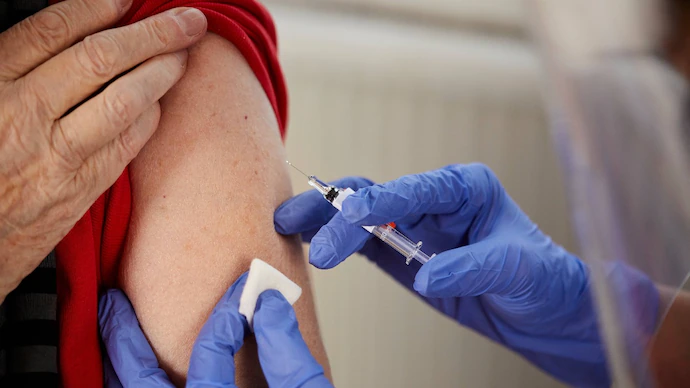
The side effects include risk of heart inflammation and appendicitis needing surgery. It also includes epilepsy and convulsions.
By Catholics for Catholics
Teenagers who received COVID-19 vaccines met a higher risk of having grave adverse events, including appendicitis, after a second dose, researchers said in a new study.
The study was done on 496,432 teens ages 12 to 19 by Norwegian scientists and published in Scientific Reports on March 27, using nationwide safety data. Many of the adolescents received a messenger ribonucleic acid (mRNA) COVID-19 vaccine from Pfizer-BioNTech or Moderna, according to a story by The Epoch Times.
After receiving a first dose, the teenagers had shown no significant increases in adverse events, the scientists said. But an age-adjusted analysis identified an increased frequency of appendicitis and allergic reactions, but the small number of events means those increases should be “interpreted cautiously,” they wrote.
But by the second dose, it was another story. There was a higher incidence of allergic reactions, swollen lymph nodes and heart inflammation. When isolating people without reported COVID-19 infections, an elevated risk of epilepsy and convulsions also appeared.
In one of the most harrowing matters, the layers by age showed that the heart inflammation cases were mostly among 18- to 19-year-olds, who have been known to face an increased risk of the inflammation—for which doctors often advise refraining from physical activity for a period of time—following COVID-19 vaccination. In addition, the older adolescents also had a higher risk of allergic reactions, while 16- to 17-year-olds had more events of acute appendicitis, which typically requires surgery.
The Norwegian researchers restricted their primary analysis to events occurring within two to 42 days after vaccination, depending on the type of event. They acknowledged that the risk windows may be too brief, as estimates of risk increased for certain events after the elapsed time.
The research was funded by the Norwegian Institute of Public Health. Several authors reported receiving funding from pharmaceutical companies, such as GlaxoSmithKline. Neither Pfizer nor Moderna was listed as paying any of the scientists.
Save and Share This Catholic Patriotic Minute!