The Catholic Patriotic Minute #52: Brother Joseph Dutton
Catholics For Catholics Special Edition | June 29th, 2026
Brother Joseph Dutton: Civil War Vet, Catholic Convert, and “Brother” of Saint Damien
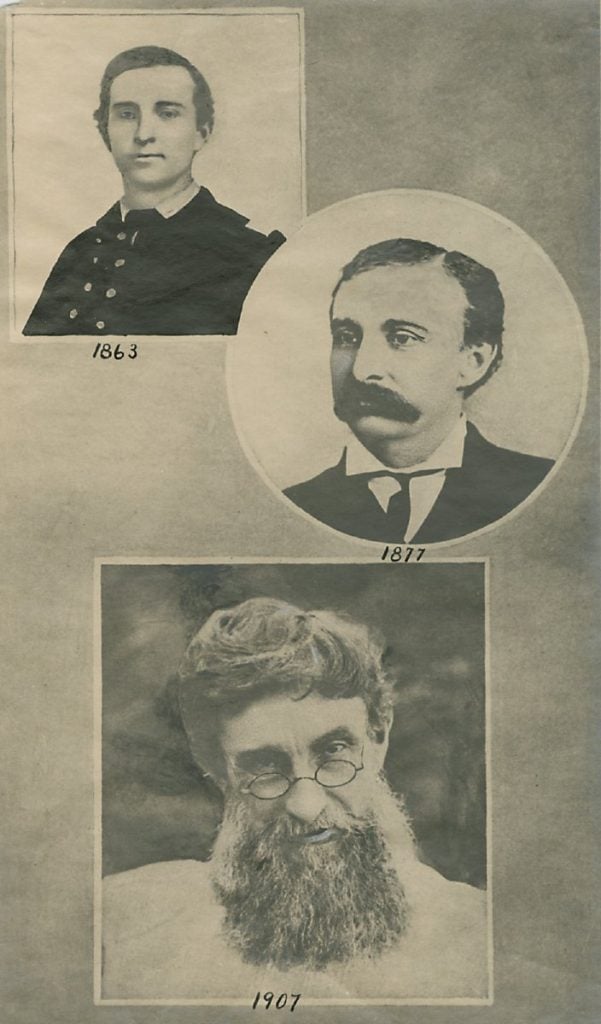
On April 27, 1843, Ira Dutton was born in Stowe, Vermont. A significant part of Dutton’s patrimony was his Protestant English ancestors, who made the New World their homeland in the seventeenth century, particularly what is now Vermont and Connecticut.
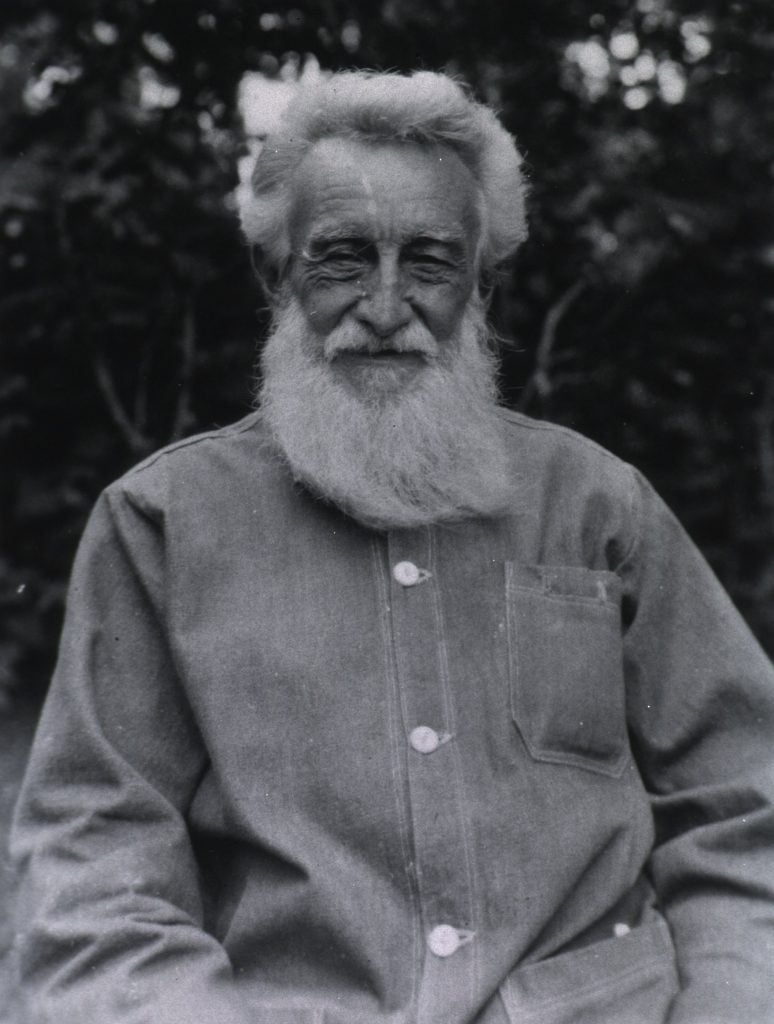
The Duttons moved to Wisconsin in 1847 when Ira was a toddler. Beginning at the age of six, Ira worked at James Sutherland’s bookstore in Janesville, becoming throughout his childhood years as the “Bookstore Boy.” At times, his earnings were needed at home. First, he was taught by his mother, before studying at two academies and Milton College before Ira turned eighteen. In addition to his studies and work, Ira filled his time with athletics and church activities.
Fascinated by the military and the idea of being a soldier, Ira and other young men made up the Janesville City Zouave Corps, marching and completing drills for fun. The life of a soldier became a reality for the Zouave after the First Battle of Bull Run in July of 1861. They all joined a volunteer regiment–the Thirteenth Wisconsin Infantry–at the beginning of the Civil War.
Dutton’s regiment defended the Union in battles in Alabama, Kansas, Kentucky, Louisiana, Tennessee, and Texas. In the fall of 1861, Dutton was appointed quartermaster sergeant, responsible for the distribution of supplies for a few hundred men at the age of eighteen. By the time he turned twenty-one, Dutton was named chief quartermaster of the District of Northern Alabama. He provided thousands of men with supplies via boat, train, and wagon. Dutton also directed the development of railroads, roads, and pontoon bridges in his district, accountable for about twenty-million dollars of money and property.
Over the course of the War, Dutton swiftly rose to the rank of lieutenant. Once it ended, he transferred the remains of Union soldiers from Alabama, Mississippi, and Tennessee to national cemeteries at Shiloh in Tennessee and at Corinth in Mississippi. He oversaw the removal and burial of 6,000 soldiers, a labor of respect and yet also a bleak undertaking.
In the years following the War, Dutton became quite miserable, partially due to his work at the cemetery and also because his wife was not faithful to him anymore. Their marriage took place during the War, but his wife abandoned him for another man. Dutton waited for her to return for many years to come, until he filed divorce papers in 1881. When he worked as the superintendent of a distillery in Alabama, Dutton drank excessively, attempting to fill up what made him feel so hollow. An unhappy alcoholic, Dutton left the distillery and wandered to Tennessee, where he worked at a railroad company and subsequently at the War Department.
One day, in July of 1876, Dutton took a hard look at himself. He wrote of this day, “I figured it out that in fifteen years I had drunk fifteen barrels of whisky. I thought it was fully my share, perhaps a little over, and that I was not entitled to any more.” And, as he promised himself, Dutton never drank again.
For Dutton, the best path to atonement of his past sins was in the Catholic church. Regarding his desires for atonement, Dutton stated,
I lived for some years a wild life, and felt that I should make some sort of reparation for it. I have explained that throughout my life I was a firm believer in thoroughness in everything, and so I decided that my penance should be thorough; in other words, that the remainder of my life should be devoted to that, and to nothing else.
On his fortieth birthday, April 27, 1883, Dutton was baptized Catholic. Aspiring to imitate St. Joseph during his renewed life of atonement, Dutton picked “Joseph” for his baptismal name.
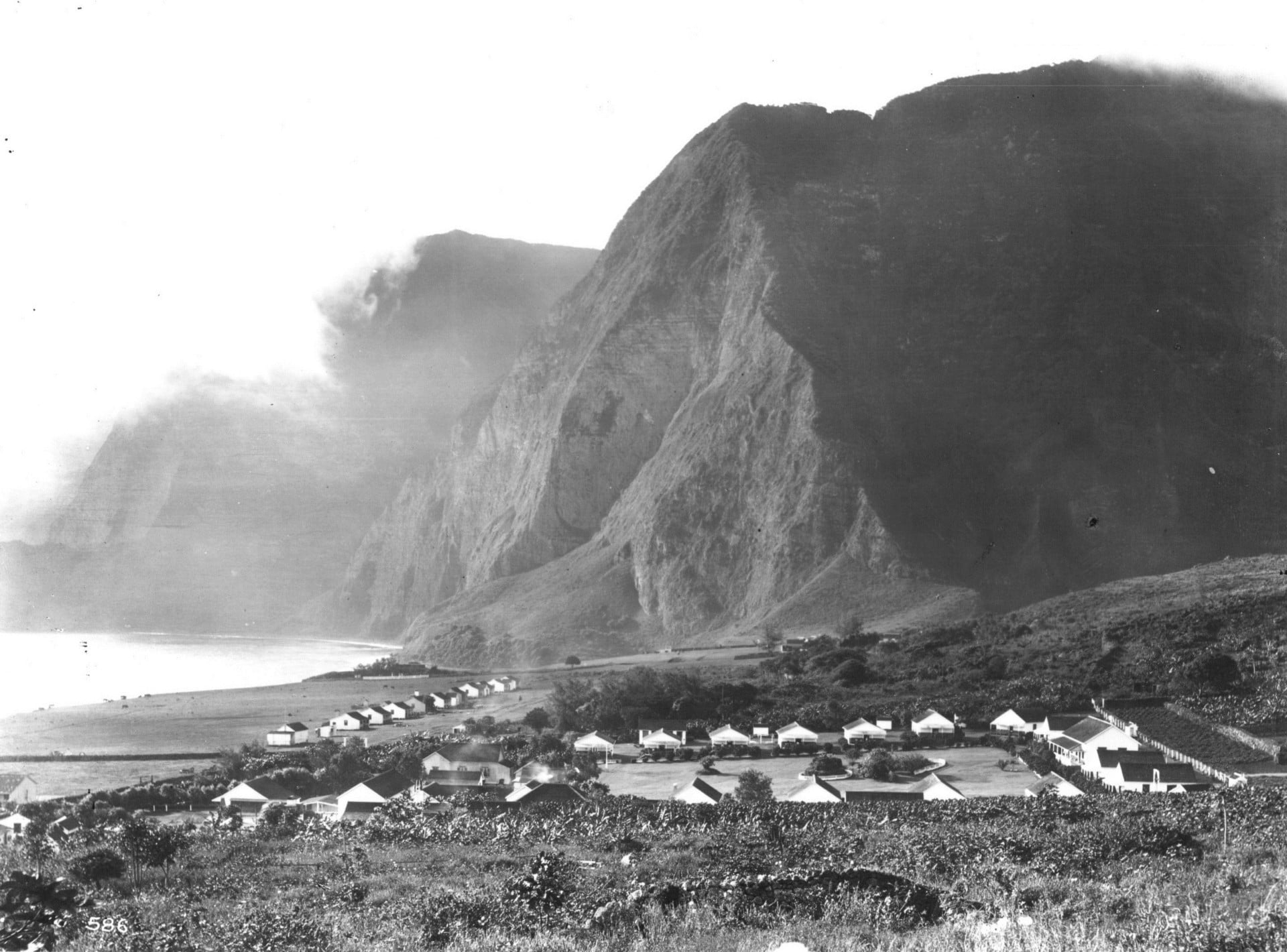
Dutton began seriously discerning his religious vocation. He left for Kentucky to live with the Trappist monks at the Abbey of Gethsemani. But, nearly two years later, he discerned out of the monastic life. One day, Dutton read an article about Father Damien’s work, caring for the leper colony in Hawaii. Leprosy victims were all sent to Molokai to be isolated by 1865. Convinced his sojourn towards penance was taking him to Hawaii, Joseph Dutton left for Molokai in July of 1886. Molokai became his home for the remainder of his life.
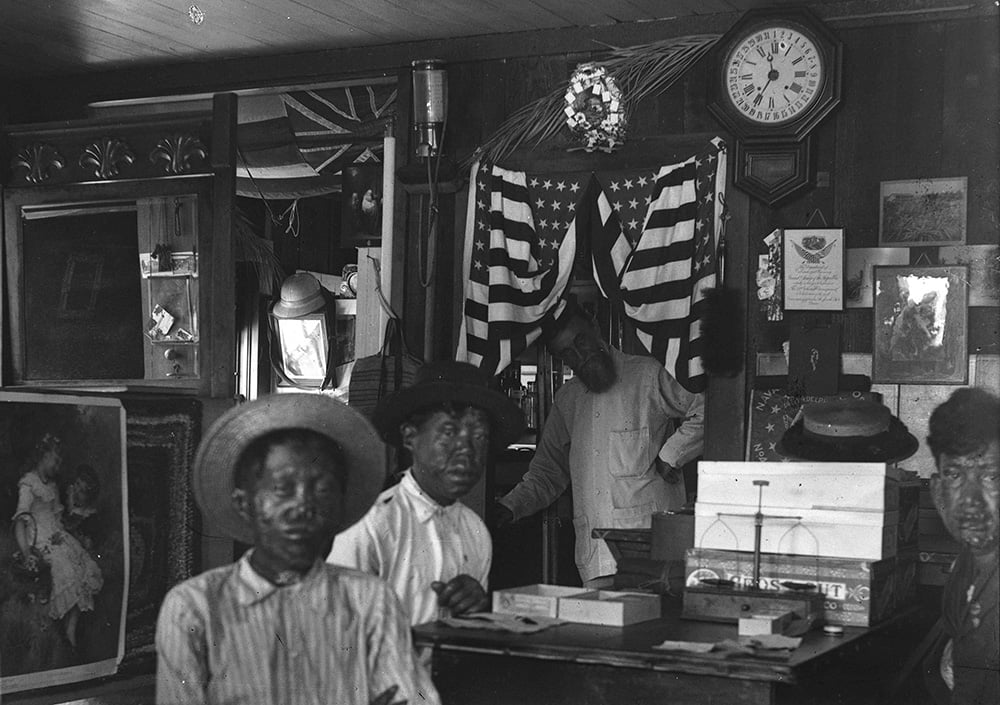
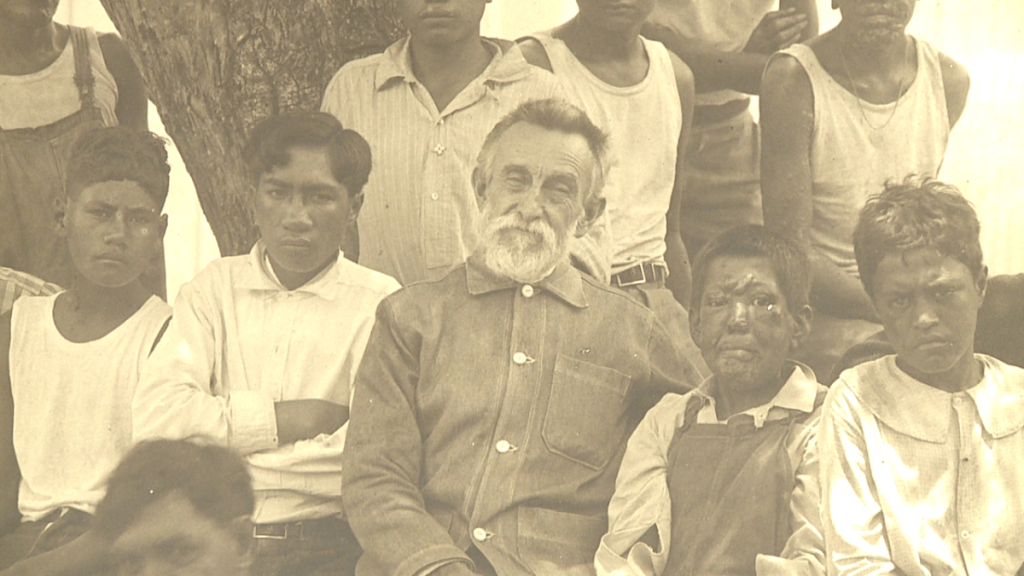
Joseph worked as an architect, carpenter, gardener, secretary, and stonemason, helping Father Damien. He dressed the wounds of the sick and became their doctor. St. Damien called Dutton his “Brother.” When Saint Damien died from leprosy, Joseph Dutton took over as administrator of the colony. He supervised the Baldwin Home for Boys, which was established in 1895. By 1902, Dutton was caring for 1,100 patients with leprosy.
His service for those sick with leprosy was noted and honored by U.S. presidents. In 1908, by order of President Theodore Roosevelt, the United States Atlantic Fleet diverted from its course to pass by Molokai and dipped its flags to salute Dutton.
He received a letter from President Warren G. Harding, who wrote, “[Y]our work is not unknown, is not unappreciated. . . all over the world there are people who regard you and Father Damien as men whose lives have been well-nigh perfect examples of self-abnegation, sacrifice and service.” Damien remained a patriot of America even when he was off the mainland, as he raised and lowered the U.S. flag outside of his cottage daily.
His early years of grief over a broken marriage and alcoholism were a stark contrast to his last four decades of self-sacrifice and charity in Molokai. In his eighties, Dutton once exclaimed, “I am ashamed to think that I am inclined to be jolly. Often we don’t know that our Lord ever laughed, and here my laugh is ready to burst out any minute.”
Joseph Dutton passed away on March 26, 1931. President Calvin Coolidge’s public words of remembrance of Dutton were,
Amid all the pretentions of the present era, the pride, the guile, the strife, here was a reality. . . His faith, his works, his self-sacrifice appeal to people because there is always something of the same spirit in them. Therein lies the moral power of the world. He realized a vision which we all have. The universal response to the example of his life is another demonstration of what mankind regard as just and true and holy. He showed the power of what is good and the binding force of the common brotherhood of man.
Servant of God Joseph Dutton and St. Damien of Molokai are both buried at St. Philomena Church in Kalawao. As of 2026, April 27 was named Brother Joseph Dutton Day by the state of Hawaii.
In the Diocese of Honolulu, Bishop Larry Silva opened the Cause of Canonization for Dutton on May 10, 2022, naming him Servant of God Joseph Dutton. After a year and a half of studying Dutton’s life, a commission of three experts submitted two thousand pages of evidence of Dutton’s exercise of the cardinal and theological virtues to the Dicastery for the Causes of the Saints in Rome in 2024.
For more Catholic Patriotic Minutes, visit CATHOLICUSA.COM
Save and Share This Catholic Patriotic Minute!