The Catholic Patriotic Minute #64: Ruth Pakaluk
Catholics For Catholics Special Edition | September 21st, 2026
From Pro-Choice Atheist to Pro-Life Catholic: Servant of God Ruth Pakaluk
On March 19, 1957, Ruth Elizabeth Van Kooy was born in South Orange, New Jersey, and raised in Norwood, New Jersey. While her family was Presbyterian, Ruth rejected Christianity and became a pro-choice atheist when she was an adolescent. But, of all places, Ruth would become interested in Christianity and God at Harvard University.
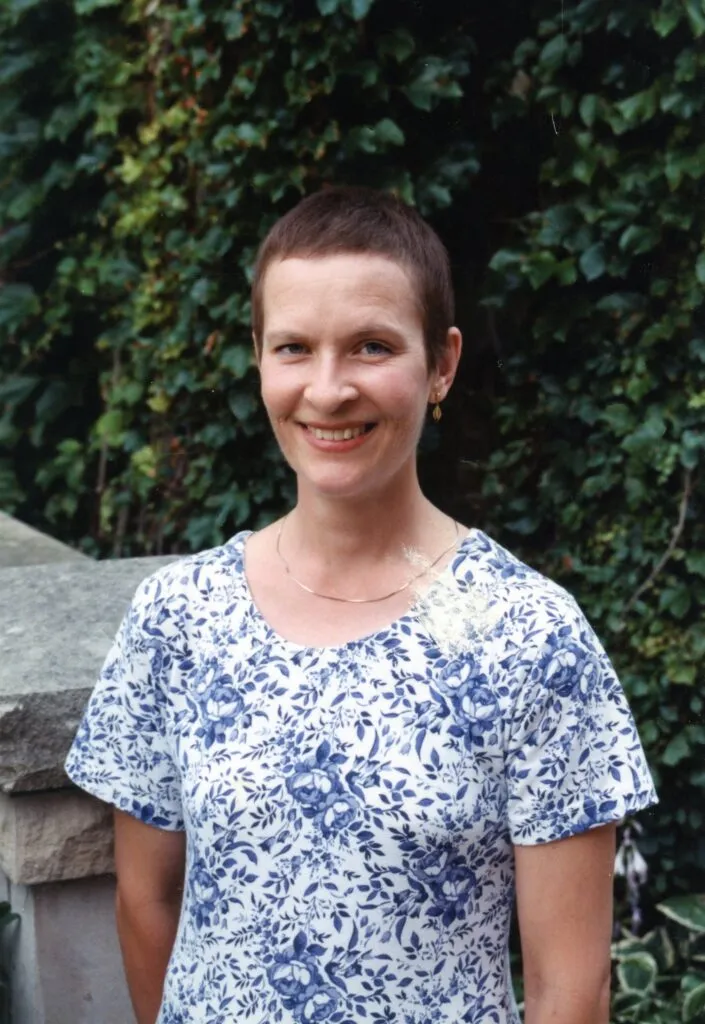
After an excellent freshman year, Ruth accepted an invitation to be the teaching assistant for the class, Space, Time, Motion. As a sophomore, Ruth became interested in how Christians lived after reading Governor Bradford’s writings of how the Pilgrims cared for each other during their first harsh winter in America. Her curiosity for Christianity grew more after meeting Michael Pakaluk, one of the students in the class, Space, Time, Motion, and Ruth’s husband-to-be.
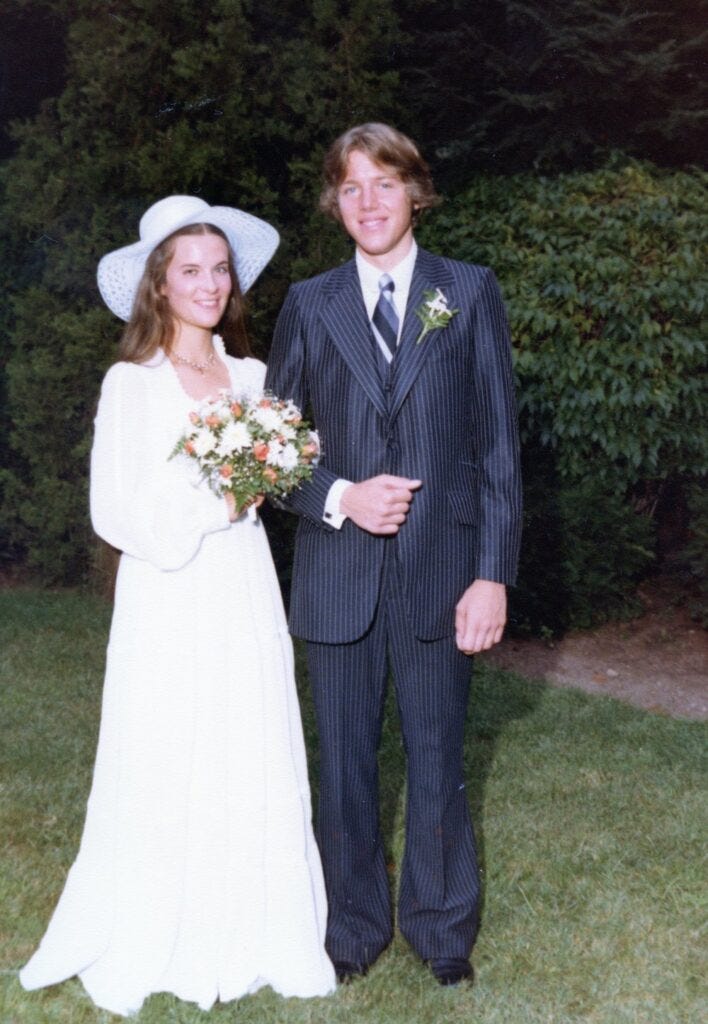
Although Michael was himself a fallen-away Catholic and atheist, he had a near-death experience the summer before their sophomore year, and he felt pulled to Christianity, just as Ruth did. The two fell in love. Later, Michael stated, their “falling in love looked inseparable from being faithful to a common yearning to investigate whether Christianity might possibly be true.” At the age of twenty-one, Ruth married Michael.
At Harvard, Ruth and Michael attended United Church Congregational and the Evangelical InterVarsity Christian Fellowship, in order to study Christianity. But, both communities lacked discussions of the philosophical and theological. When their friend Curt started classes to become Catholic, Ruth and Michael–both Anti-Catholics–tried to dissuade him from the religion.
Eventually, however, Ruth and Michael were drawn to Catholicism because of Mother Teresa. They read Malcolm Muggeridge’s book about her, and Michael explained years later,
Mother Teresa was clearly a deeply prayerful woman, a true follower of Christ, who was, moreover, holy. And this posed a problem for us. How could it be that a false and apostate form of Christianity would be the place where one alone found what seemed to us a true appraisal of suffering, prayerfulness, and holiness? There was an argument in the early Church about Christ: either he was a bad man, or he was God, but there was no intermediate. . . The Catholic Church was either very bad or very good. Yet Mother Teresa was making the first option appear untenable.
Prompted by Mother Teresa, the married couple read books on the Church’s early history and the Catholic Church, especially books written by Fr. John Hardon, SJ.
By Christmas of 1978, Ruth and Michael ended their use of contraception, convinced by the Church’s arguments against abortion and contraception. By fall of 1980, they began instruction in the Catholic faith. Around this time, Ruth wrote to her in-laws, “Life is going along so well for us. . . Harder times may very well come—this is always in God’s almighty hands—but I do not worry. How few people receive in a lifetime all the joys I’ve had in just two years!”
On Christmas Eve of 1980, Ruth was formally received into the Catholic Church, and Michael returned home. From 1980 to 1982, the Pakaluks lived in Edinburgh, Scotland, where Michael was studying. In 1982, they returned to Harvard for Michael to earn his doctorate in philosophy. By the end of his doctoral studies, Ruth and Michael had three sons and one daughter. Although Ruth worked part-time for their landlord, she raised her children at home.
Both Ruth and Michael attended religious-formation activities at the Opus Dei Center near Harvard. They joined Opus Dei as supernumeraries in 1984, inspired by the prelature’s belief that lay Catholics are called to holiness in their daily lives through sanctification of their work.
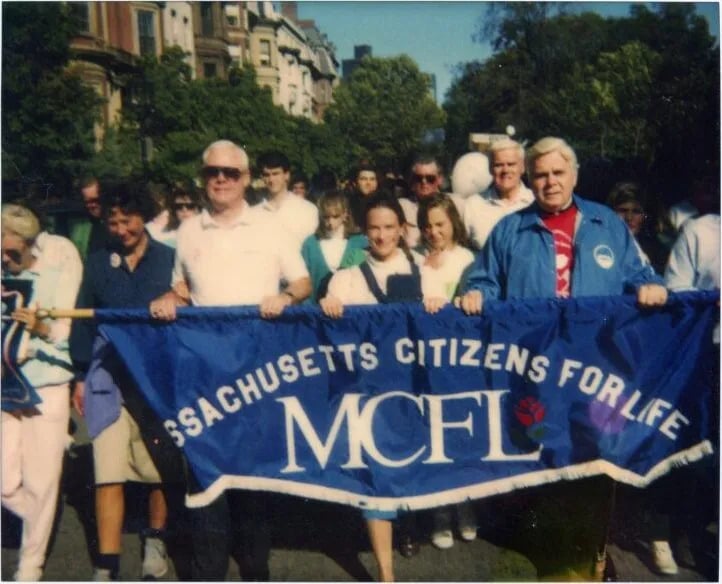
Ruth’s pro-life activism began, while Michael studied at Harvard. First, she established the group Harvard-Radcliffe Human Life Advocates. Then, she founded the group Cambridge Unborn Rights Advocates (CURA), which sought to educate others on pro-life issues and also assisted crisis pregnancy centers and pro-life political campaigns. By the end of its first year, three-hundred active members belonged to CURA.
In 1984, Ruth was elected to the board of the Massachusetts Citizens for Life. Three years later, Ruth was elected the President of Massachusetts Citizens for Life. Ruth’s children came along with her to her speaking engagements. As president, she often appeared on news shows and delivered talks on campuses, but she preferred debates with pro-choice advocates.
The Pakaluk family moved to Worcester, Massachusetts, in 1987, for Michael’s new position at Clark University. Seven weeks after their fifth child, Thomas, was born in 1989, he passed away from sudden infant death syndrome. Even though the Pakaluks were heartbroken, Ruth wanted to celebrate Thomas’s entrance into heaven after the funeral Mass. Later, she advised a friend, whose infant son also died, “The spiritual or emotional wound, the grief, is a lot like a physical wound. And it heals imperceptibly. . . Find some devotion to your son and weave it into your daily prayer life. That way you don’t have fear of either ripping the wound open or forgetting.”
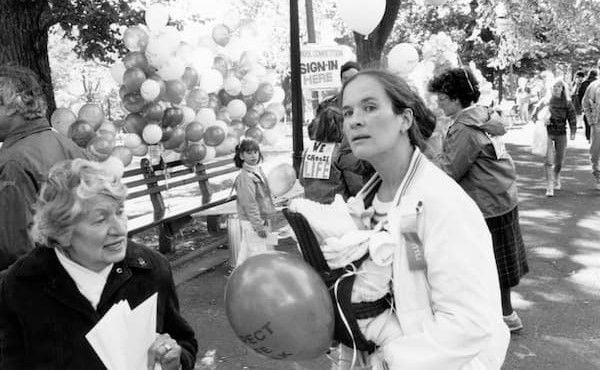
Soon after Thomas’s death, Ruth was pregnant with their sixth child, Sarah Esther. During her pregnancy, Ruth was concerned she had breast cancer, but her doctor dismissed her. A year later, Ruth demanded a mammogram, which revealed she had stage 2-B cancer. Even with the physical and mental struggles that came with five months of chemotherapy, she still gave pro-life presentations at high schools. Ruth wrote to a friend of this period,
When we experience these unpleasant things, it is helpful to think about Jesus alone or in agony on the cross. We want to be like Him. We want to share His sufferings with Him, to keep Him company, not falling asleep like Peter, James, and John. He will accept our patient endurance of trials and turn them into glory, like his resurrection.
Once chemotherapy ended, Ruth’s surgeon advised against pregnancy for the next three years because it might accelerate cancer if it returned. However, Ruth did not want to live in fear. She asserted, “Even if my life were to be cut short by recurring cancer, we felt it would be a beautiful thing to give life to more children.” Their seventh child, Anna Sophia, was born in 1993.
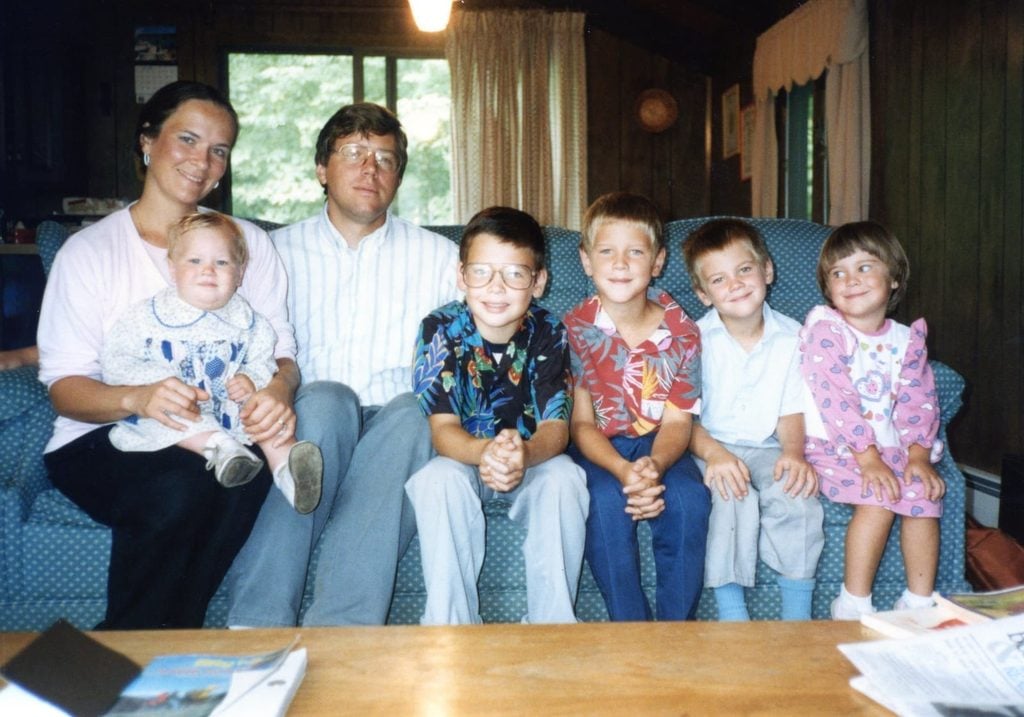
Ruth’s life was centered around her vocation as wife, mother, and supernumerary as well as her work as a pro-life advocate. Rather than feeding into the political divisiveness that lingered in the ongoing debate on abortion, Ruth focused her speeches on simply appealing to the person in the audience who may be considering an abortion, instead of making large political statements. Peter Kreeft, professor of philosophy at Boston College, asserted Ruth’s pro-life speeches were “the most persuasive, irresistible, and winsome pro-life talks [he] ever heard.”
Leading up to Christmas in 1993, Ruth found out her breast cancer had spread to her bones. As metastasized breast cancer cannot be cured, Ruth knew her life would be cut short. For the next five years, Ruth continued living just as she had before her cancer returned. Ruth wrote,
When you know you have little time left to live, how should you conduct yourself? To a certain extent, I am glad that I have no burning desire to live any differently. I really enjoy the way my life has turned out. But I do feel it is important to spend more time with people I enjoy being with.
Ruth’s cancer reached her liver in January of 1998. Until her last month of life, she continued her pro-life speaking engagements, directing religious education at her parish, singing in the cathedral choir, hosting book clubs, and teaching classes at her Opus Dei Center. Most importantly, she spent more time with her family and friends.
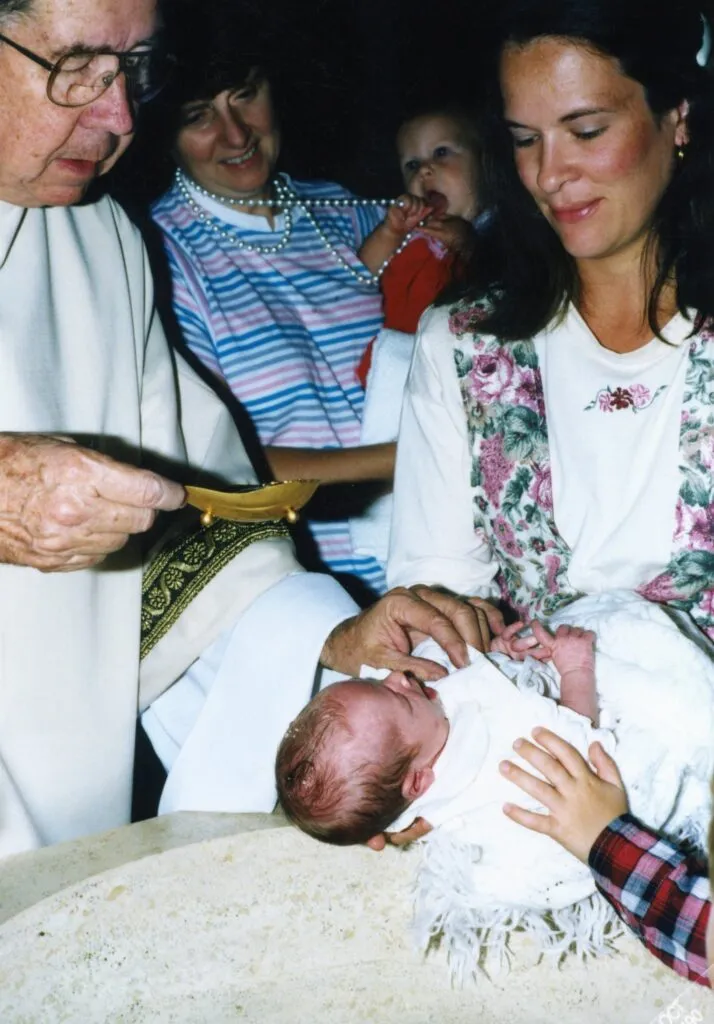
Leading up to her death, she wrote one last letter to a friend, who did not believe in God, over the span of a few weeks. Once an atheist and soon to die a Catholic, Ruth wrote her friend,
I am not afraid to die—not by a long shot. . . I have loved the life God gave me. There is no other life I would rather have lived. But I recognize God is the author of this life, as well as the author of the lives of all the people I love and the world, which is so beautiful and interesting. I want to see God; I want to see the One who thought all of this up. . . there is no explanation for the Catholic Church’s existence except that, in fact, the guy named Jesus from Nazareth really did die and his corpse really did rise from the dead and he really did walk around talking to those rather uninspiring eleven who somehow, after this experience, transformed the course of human history. And for the better.
In August of 1998, Ruth hiked down Mount Washington–the tallest mountain in New England–despite the steel rod in her leg. In the month leading up to her death, Ruth asked Michael to consider marrying their family friend, Catherine Hardy, whom Ruth believed would be a wonderful wife and mother to her husband and six children.
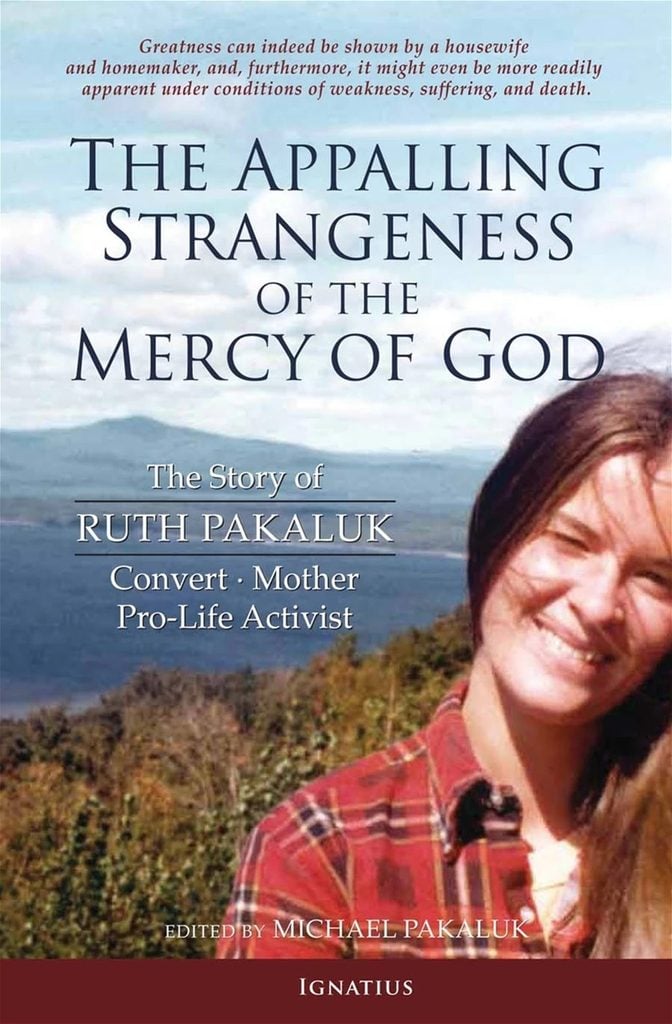
Ruth was bedridden, surrounded by her family and friends, until her death on September 23, 1998. Over a thousand attended her funeral Mass at Saint Paul Cathedral in Worcester, Massachusetts. A year later, Michael and Catherine married, just as Ruth had hoped. In 2011, Michael published a biography of Ruth, titled The Appalling Strangeness of the Mercy of God: The Story of Ruth Pakaluk, Convert, Mother and Pro-Life Activist. Her cause of canonization was permitted to be opened by the Vatican’s Dicastery for the Causes of Saints on September 29, 2025. Servant of God Ruth Pakaluk, pray for us.
For more Catholic Patriotic Minutes, visit CATHOLICUSA.COM
Save and Share This Catholic Patriotic Minute!