The Catholic Patriotic Minute #72: Venerable Henriette Delille
Catholics For Catholics Special Edition | November 25th, 2026
Venerable Henriette Delille: Foundress of the Society of the Holy Family
The year 1812 brought forth the births of both Henriette Delille and the state of Louisiana as the eighteenth state of the United States. Henriette was born and raised in New Orleans, Louisiana.
Henriette’s great, great grandmother, Nanette, was a slave who left West Africa and arrived in America in the early 1720s. Nanette birthed children, with their father being her owner. After his death, Nanette was freed. She worked so that she was able to purchase the freedom of her daughter and grandchildren. Because of Nanette’s efforts to emancipate her family, Henriette was born free, rather than into slavery. She was raised in a cottage on Burgundy Street in the French Quarter.
Henriette was baptized in the Catholic Church. Most likely, as she knew French, Henriette was taught by the Ursuline Sisters–those who prayed for the intercession of Our Lady of Prompt Succor during the Battle of New Orleans per General Andrew Jackson’s request. Henriette also attended Saint Claude School, a place for free black girls.
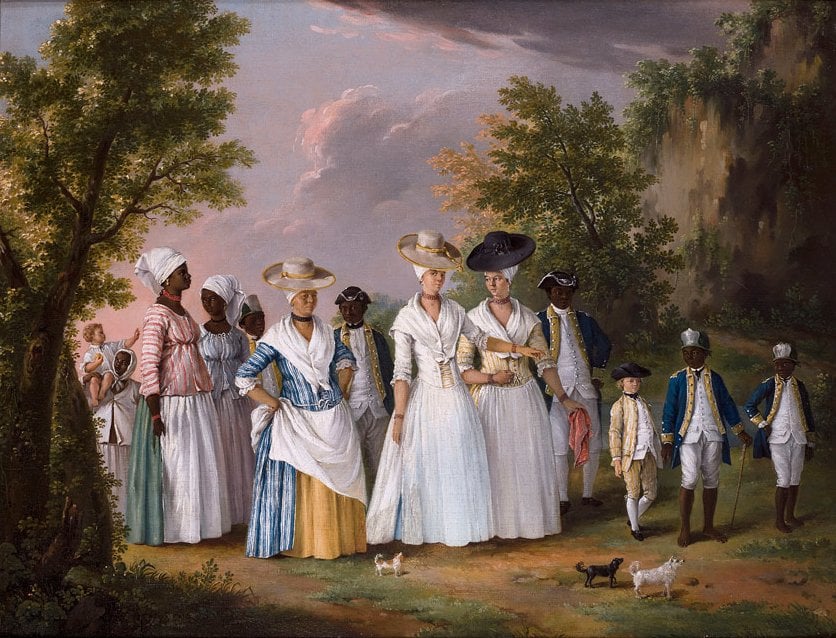
The women in Henriette’s family were a part of the placage system, in which free black women were the mistresses of white men. The men provided homes and financial support for their mistresses, while they often had their own families outside of New Orleans.
Henriette’s own father was a Frenchman, Jean-Baptiste Lille Sarpy. As her family partook in this practice, Henriette began a relationship with Monsieur Bochno at the age of fifteen. A few years later, her two sons had died before the age of two, and Monsieur Bochno left Henriette, in a state of poverty and desolation. Rather than continuing to participate in the placage system, Henriette decided to reject it and to discover another way of living.
Henriette reunited with her friends, Juliet Godin and Josephine Charles, from St. Claude School. She was confirmed in the Catholic Church at the age of twenty in 1832. She experienced a deep spiritual conversion four years later.
In her prayer book, Henriette wrote her mission in French, which translates to: “I believe in God. I hope in God. I love. I want to live and die for God.” This purpose Henriette so clearly articulated served as the cornerstone of her ministry and life.
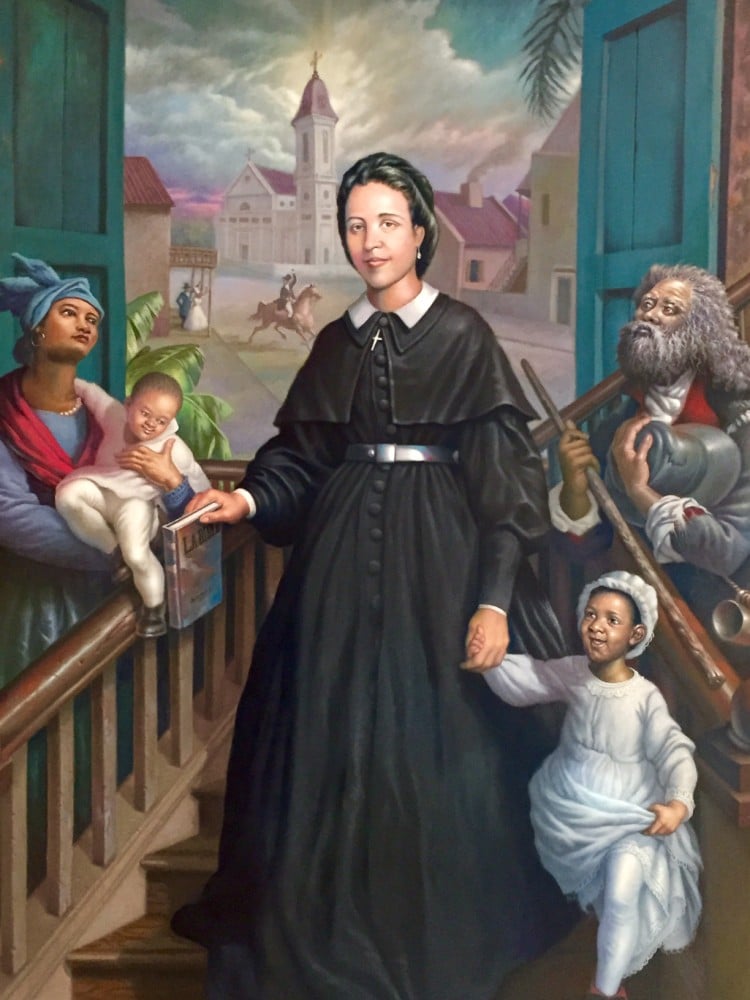
In 1836, Henriette, Juliet, and Josephine formed the Sisters of the Presentation of the Blessed Virgin Mary, a group for laywomen of color seeking to love God by loving others. They fed the hungry, cared for the sick and poor, evangelized, and accompanied the dying to their last breath.
At the same time, there are records that reveal Henriette, as well as Juliet and Josephine, became the godmother for many children, who had no one else, free and enslaved, children and adults. The three women were also witnesses to numerous marriages.
Bishop Antoine Blanc and Father Etienne Rousselon guided them, assisting them in becoming the Society of the Holy Family in 1842. With the financial support of Father Rousselon, the women moved into a home he rented, where they invited the elderly, particularly abandoned slaves, to live. Their home for the elderly, known today as the Lafon Nursing Facility of the Holy Family, was the first Catholic nursing home in the United States.
Henriette attended Father Rousselon’s parish, Saint Augustine, where both white people and black people–free and enslaved–were welcomed to worship. Henriette, Juliet, and Josephine taught children and young women, who were free, orphaned, or enslaved. Educating slave children had to be done in secret because it was illegal to do so at the time.
All three women desired to become religious nuns, but they were not welcome to surrounding congregations. According to oral history, Bishop Blanc sent Henriette to the Religious of the Sacred Heart in Convent, Louisiana, where she worked as a pantry girl and most likely received her spiritual formation in secret.
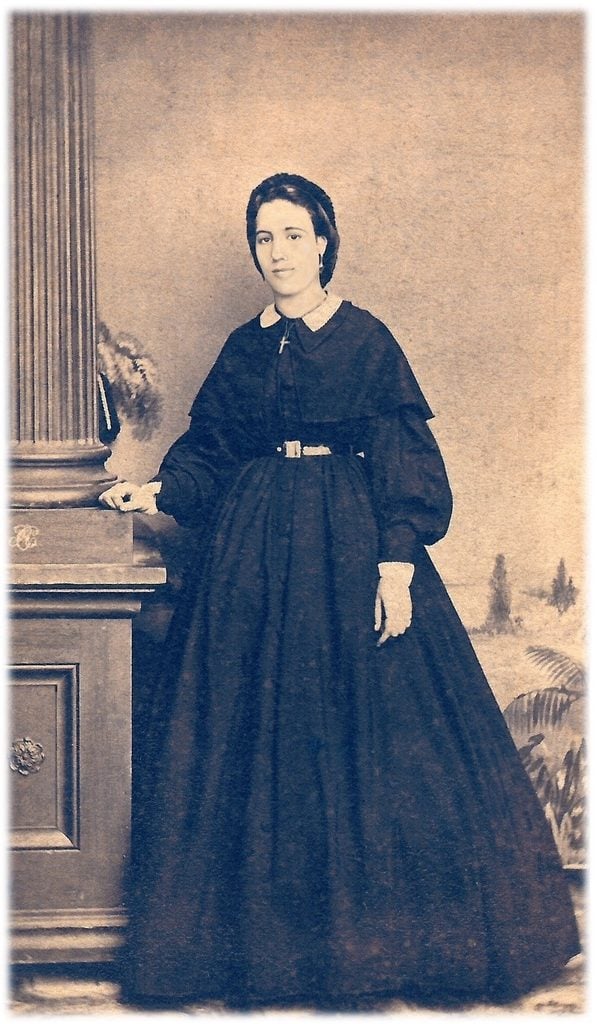
On October 15, 1851, Henriette said her vows of religious life, with Bishop Blanc and Father Rousselon present. The only existing photograph of Henriette was taken right after she made her private vows, depicting her in a black dress, a cap on her head, and a rosary around her neck. Henriette adopted the name of Mary Teresa, in honor of Saint Teresa of Avila, but those she cared for still called her Henriette. A year later, Juliet and Josephine both said their vows.
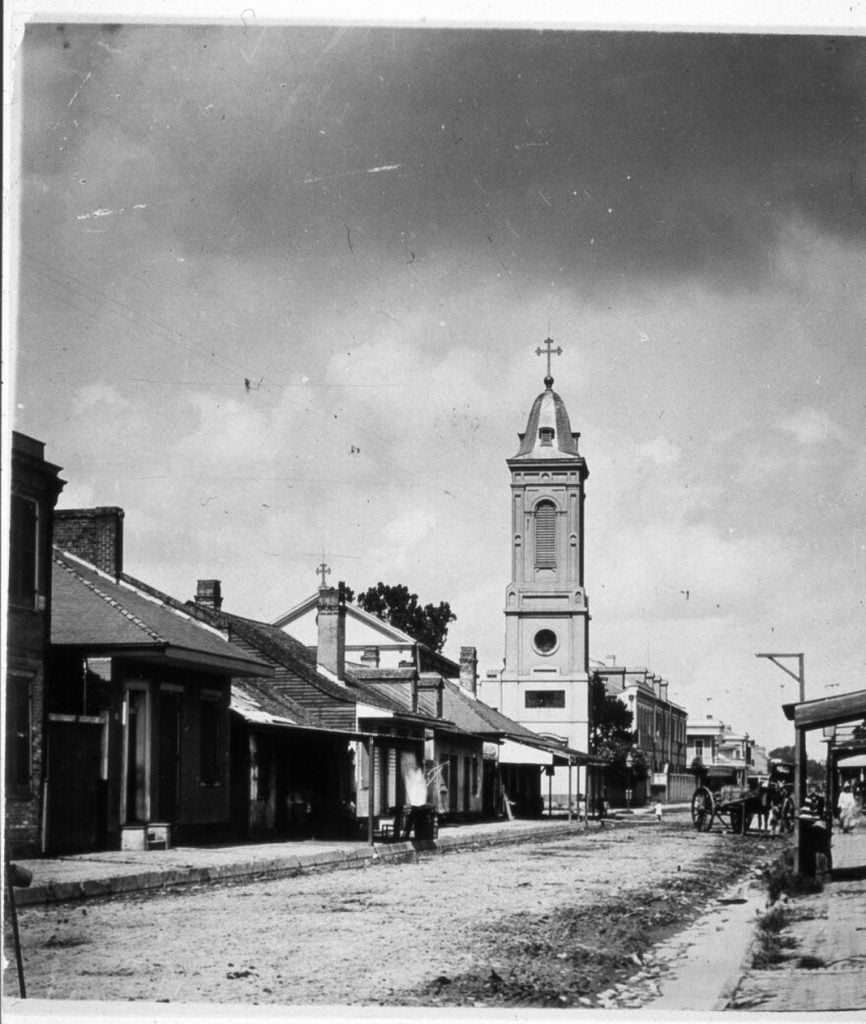
After Mother Henriette’s mother passed away and left her an inheritance, she purchased the rental home they lived in and turned it into a convent and chapel. The Sisters of the Holy Family are remembered for their care of the ill when yellow fever raged through New Orleans in 1853.
In April of 1861, Louisiana had ceded from the Union, and the Civil War began. In response to poverty accelerating in New Orleans, the Sisters of the Holy Family gave away their food to those starving. In fact, the Sisters often drank sugar water. Their sacrifices and work took a toll on them, especially Mother Henriette. In 1862, she became ill with tuberculosis. Shortly after a surgery, Mother Henriette passed away on November 17, 1862, at the age of fifty.
Father Rusillon wrote an obituary for Mother Henriette Delille, which translates to:
Last Monday there died one of those women whose obscure and retired life has nothing remarkable in the eyes of the world, but is full of merit before God. Miss Henriette Delile had for long years consecrated herself totally to God without reservation to the instruction of the ignorant and principally to the slave. . . For the love of Jesus Christ, she made herself the humble servant of slaves.
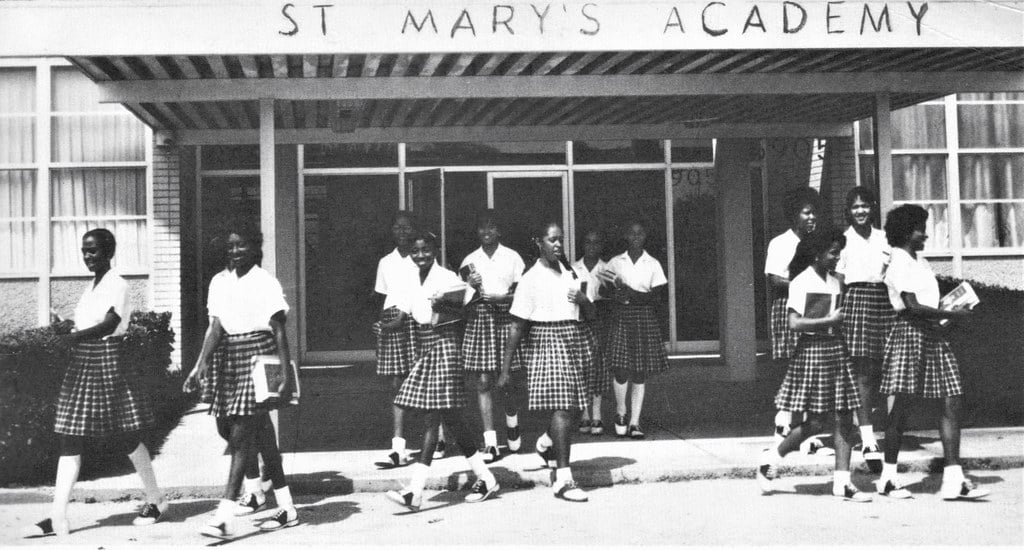
At the time of her death, twelve sisters belonged to the Society of the Holy Family. Shortly after her death, they founded St. Mary’s Academy, one of America’s oldest Catholic Black high schools.
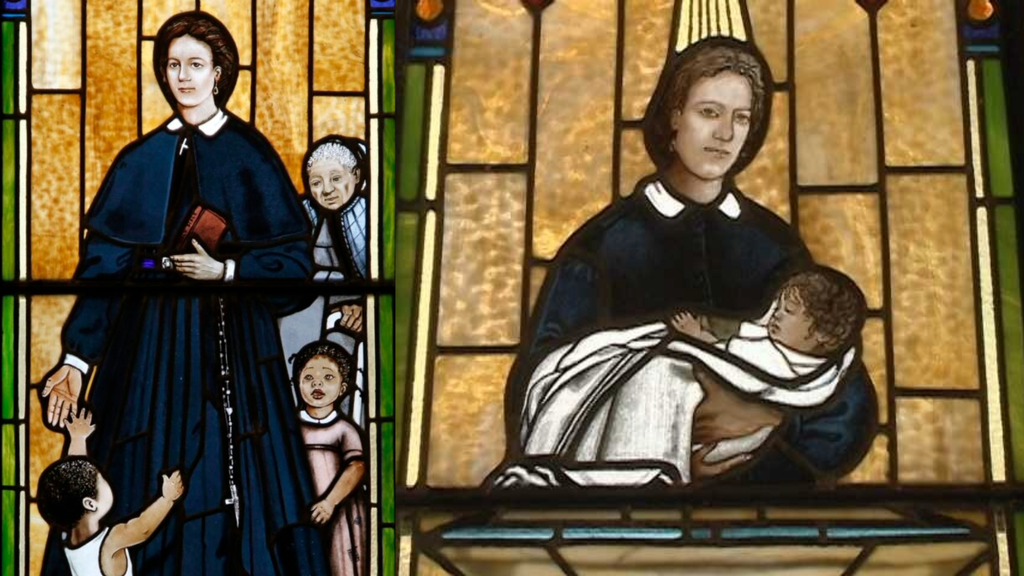
Mother Henriette’s legacy still lives on today among the Sisters of the Holy Family serving today at St. Mary’s Academy and Lafon Nursing Facility of the Holy Family. Her story is memorialized in a prayer room at St. Louis’s Cathedral, where one stained glass depicts Henriette surrounded by the elderly and young school children and another stained glass shows Henriette holding one of her many godchildren.
Born into a terrible set of circumstances where the placage system was the assumed path for Henriette, she surrendered everything to God and declared her love and hope in Him, despite life seeming stacked against her. In 1988, her cause of canonization was opened. On March 27, 2010, Pope Benedict XVI declared her Venerable.
For more Catholic Patriotic Minutes, visit CATHOLICUSA.COM
Save and Share This Catholic Patriotic Minute!