The Catholic Patriotic Minute #46: Venerable Rose Hawthorne
Catholics For Catholics Special Edition | May 18th, 2026
To Catholicism Through the Pope: Venerable Rose Hawthorne
Did you know Nathaniel Hawthorne–the well-known American author of The Scarlet Letter and The House of the Seven Gables–raised a daughter, who later not only became a Catholic and a Dominican sister but also was declared Venerable by the Supreme Pontiff?
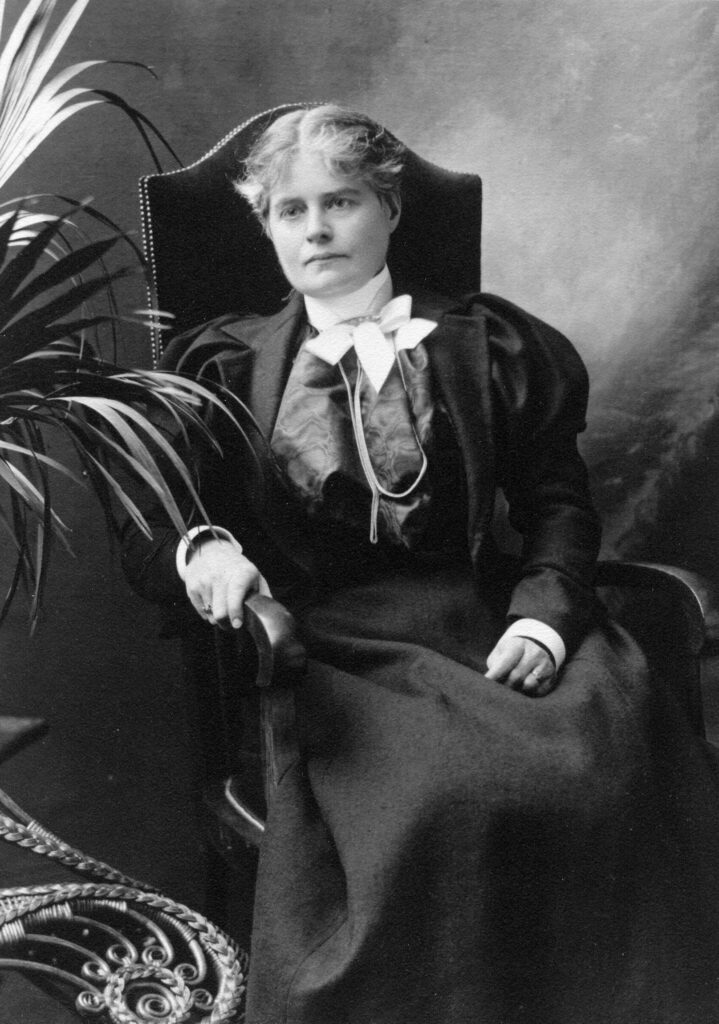
On May 20, 1851, Rose was born to Sophia and Nathaniel Hawthorne in Lenox, Massachusetts. Rose’s early childhood took place amongst the families of her father’s literary circle, which included Herman Melville, Ralph Waldo Emerson, Henry David Thoreau, and Henry Wadsworth Longfellow–all of whom wrote literature that laid the foundation for American literature.
When Rose was one, the Hawthornes moved into the Wayside, the home previously owned by the Alcotts. Rose’s childhood home was also the childhood home of Louisa May Alcott, the author of Little Women.
The Hawthornes were Christian, but they never were fully dedicated to a denomination. Both Sophia and Nathaniel were associated, at times, with Unitarianism and Transcendentalism. However, young Rose would encounter Catholicism in Rome and had to grapple with her preconceived notions of the Catholic faith.
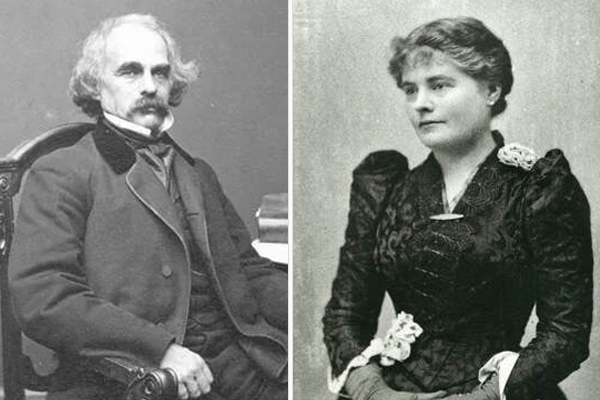
Once Rose’s father accepted a position of American Consulate in England in 1853, the Hawthornes moved there and lived the next seven years travelling Europe. Later, Rose wrote about her family’s opinion of the Catholic Church after their time overseas: “In art, Catholicity was utterly bowed down to by my relatives and their friends, because without it this great art would not have been.”
But, Rose saw the Church for more than her art. Rose forever remembered standing in St. Peter’s Square at the age of seven, as she wrote, “The heart of Rome was acknowledged to be St. Peter’s, and its pulse the Pope. The most striking effect the Holy Father produced upon me, standing at gaze before him with my parents, was when he appeared, in Holy Week, high up in the balcony before the mountainous dome, looking off over the great multitude of people gathered to receive his blessing. Those eyes of his carried expression a long way, and he looked most kingly, though unlike other kings.”
In the years to come, Rose kept close the medallion and scudo of Pope Pius IX that her mother gave her. She reflected on her childhood-impressions of entering Catholic churches throughout Europe. She declared, “Who does not feel, without a word to reveal the fact, the wondrous virtue of Catholic religious observance in the churches? The holiness of these regions sent through me waves of peace. I stepped softly past the old men and women who knelt upon the pavements, and gazed longingly upon their simpler spiritual plane; I drew back reluctantly from the only garden where the Cross is planted in visible, reverential substance.”
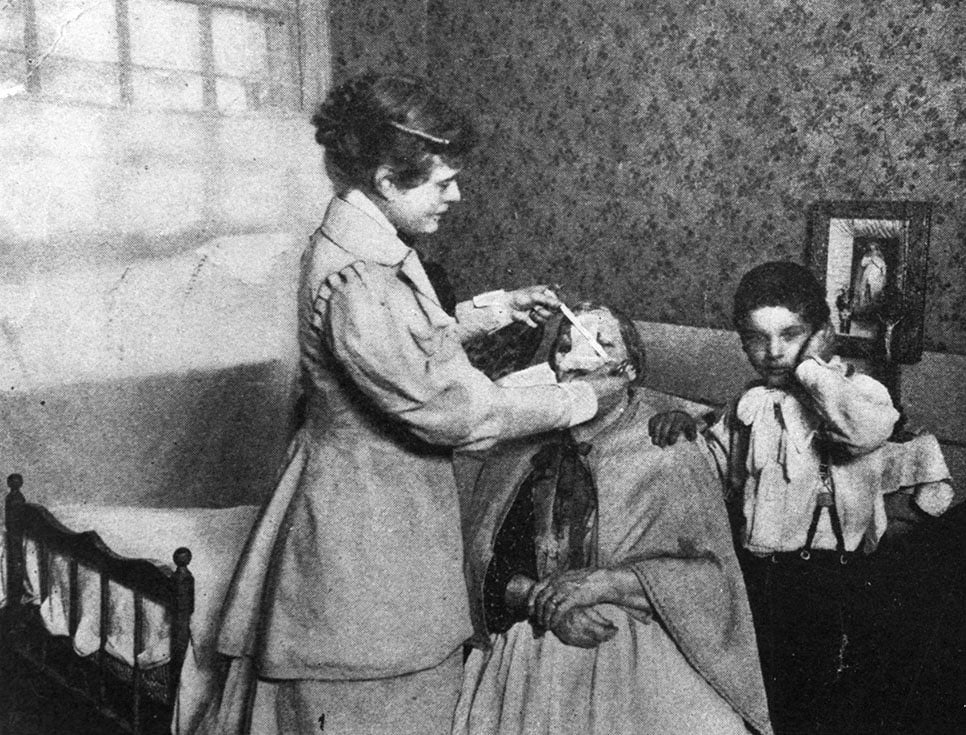
The Hawthornes moved back to their home, the Wayside, in 1860, and continued their lives amongst their literary circles in Massachusetts. Yet, when Rose’s father Nathaniel passed away in 1864, their past life was put on pause. Sophia could not afford their way of living in New England. Subsequently, the Hawthornes moved to Dresden, Germany, in 1868. Here, Rose met her husband-to-be George Parsons Lathrop, an aspiring writer.
When the Franco Prussian war broke out, the Hawthornes moved to England, where Rose attended the Kensington Art School. George followed her to England and, shortly after Rose’s mother died in 1871, asked for Rose’s hand in marriage. Despite her brother and aunt’s warnings not to make such a decision in the middle of her grief over her mother, Rose married George in the Anglican Church in the same year, and they began their new lives in New York City.
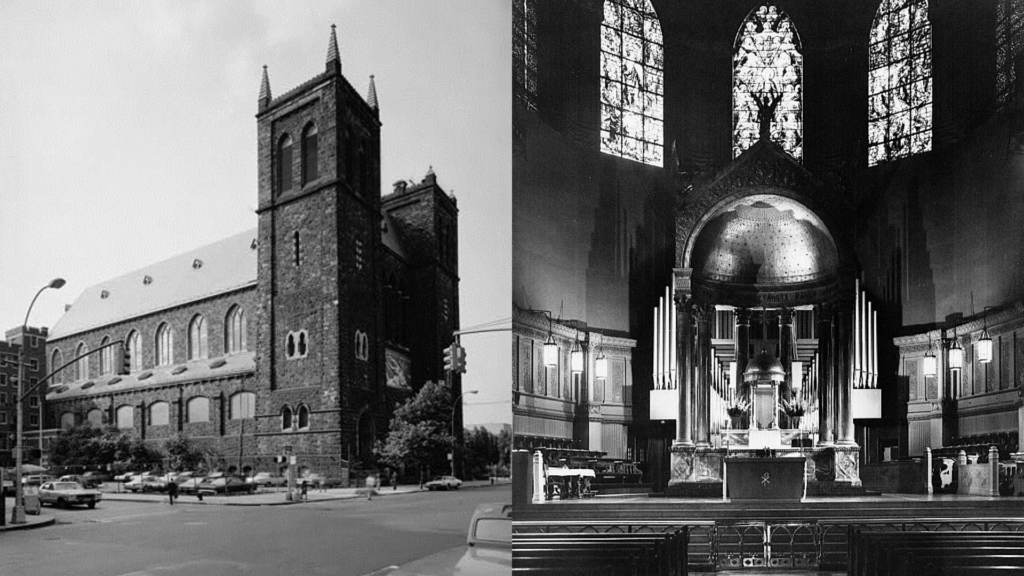
The first decade of their marriage was met with financial difficulties and the death of their son Francis. Even though the second decade of their marriage was strained by George’s alcohol dependence following his son’s death, it ended with Rose and George entering the Catholic Church at Saint Paul the Apostle Church, New York City, on March 19, 1891–the feast of Saint Joseph. Father Alfred Young, their spiritual director, and along with their friends, Alfred and Adelaide Huntington Chappell, had introduced Rose and George to writings like Cardinal Gibbons’ Faith of Our Fathers, a book of Catholic apologetics for a Protestant audience.
Together, Rose and George published a book, A Story of Courage: Annals of the Georgetown Convent of the Visitation of the Blessed Virgin Mary, in the year 1894. However, Rose sought out and was permitted to separate formally and permanently from George the following year, due to his remaining alcoholism evolving into dangerous circumstances for Rose.
At the age of forty-five, Rose joined a nurses’ training course at a cancer hospital after Father Young told her the story of a poor seamstress who died of cancer in an almshouse on Blackwell’s Island without medical care. Rose asserted, “A fire was then lighted in my heart, where it still burns. . . I set my whole being to endeavor to bring consolation to the cancerous poor.”
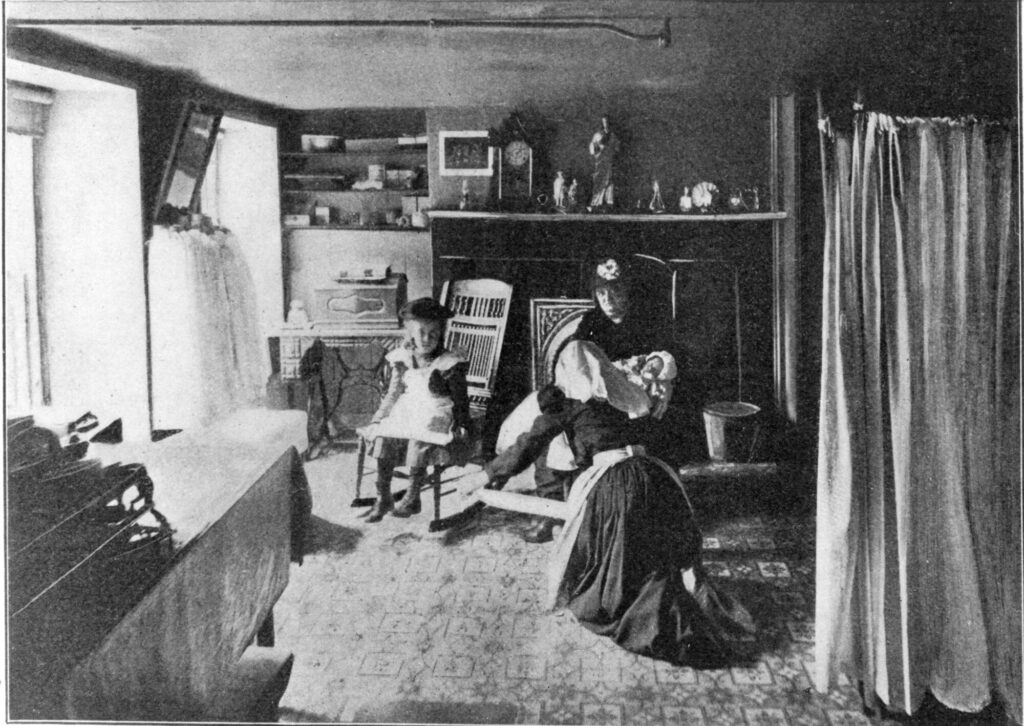
Rose moved to the Lower East Side, the poorest side of New York City at the time. She cared for those with cancer, as well as the elderly and the children of sickly mothers. At the same time, Rose was attending Mass daily, as well as the Sacrament of Confession and spiritual direction regularly. She even wrote a book, Memories of Hawthorne, about her family.
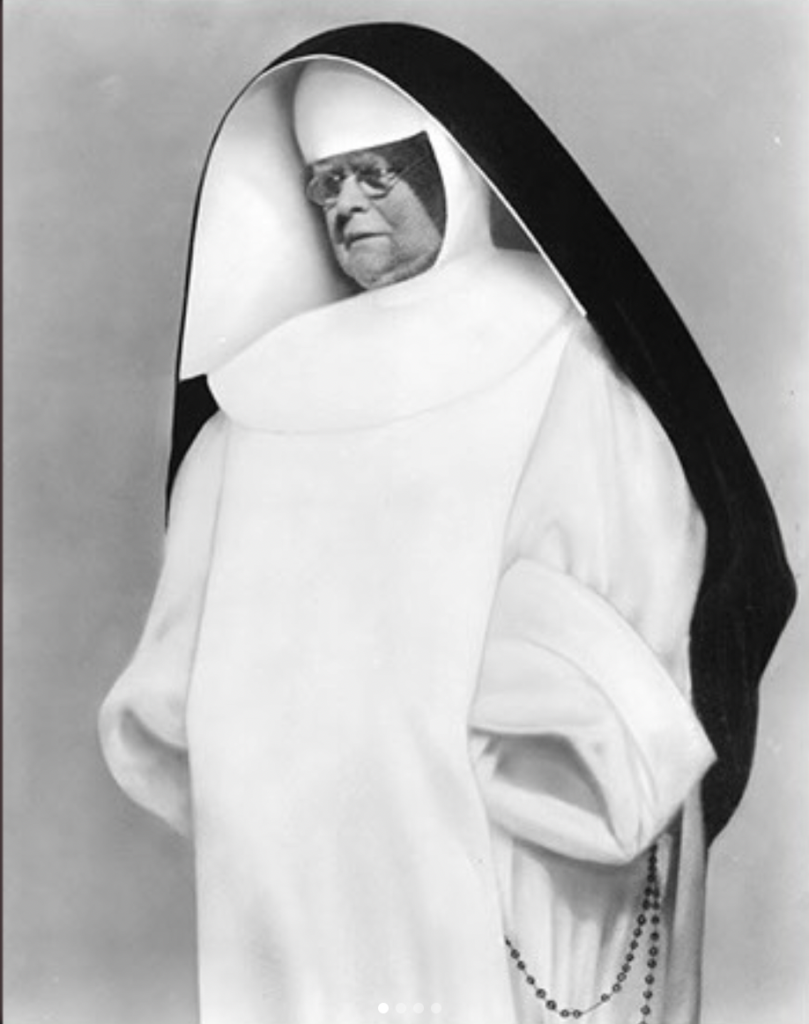
In 1899, Rose established St. Rose’s Free Home for Incurable Cancer, dedicated to Saint Rose of Lima. Through the encouragement of a Dominican priest, Father Clement Thuente, Rose became a Dominican Sister, taking on the name Mother Mary Alphonsa, and the home became the community of the Dominican Sisters of Hawthorne, Congregation of Saint Rose of Lima on December 8, 1900.
Mother Mary Alphonsa passed away on July 9, 1926. Pope Francis declared her Venerable Mother Mary Alphonsa Hawthorne on March 14, 2024. Today, her community has founded seven nursing facilities with private fundraising and without any government funding. They have cared for thousands of people with cancer, as a result of Mother Mary Alphonsa’s seeing Christ not only in the Pope but also in the poor and sick.
For more Catholic Patriotic Minutes, visit CATHOLICUSA.COM
Save and Share This Catholic Patriotic Minute!